Stefano Scheda
Stefano Scheda
Stefano Scheda
Sara Meliti
Sara Meliti
Sara Meliti
Nicola Burighel
Nicola Burighel
Samuele Vaccari
Samuele Vaccari
Samuele Vaccari
Samuele Vaccari
Samuele Vaccari
Samuele Vaccari
Samuele Vaccari
Samuele Vaccari
Samuele Vaccari
Samuele Vaccari
Samuele Vaccari
Giampaolo Becherini
Giampaolo Becherini
Giampaolo Becherini
Giampaolo Becherini
Dario Bonazza
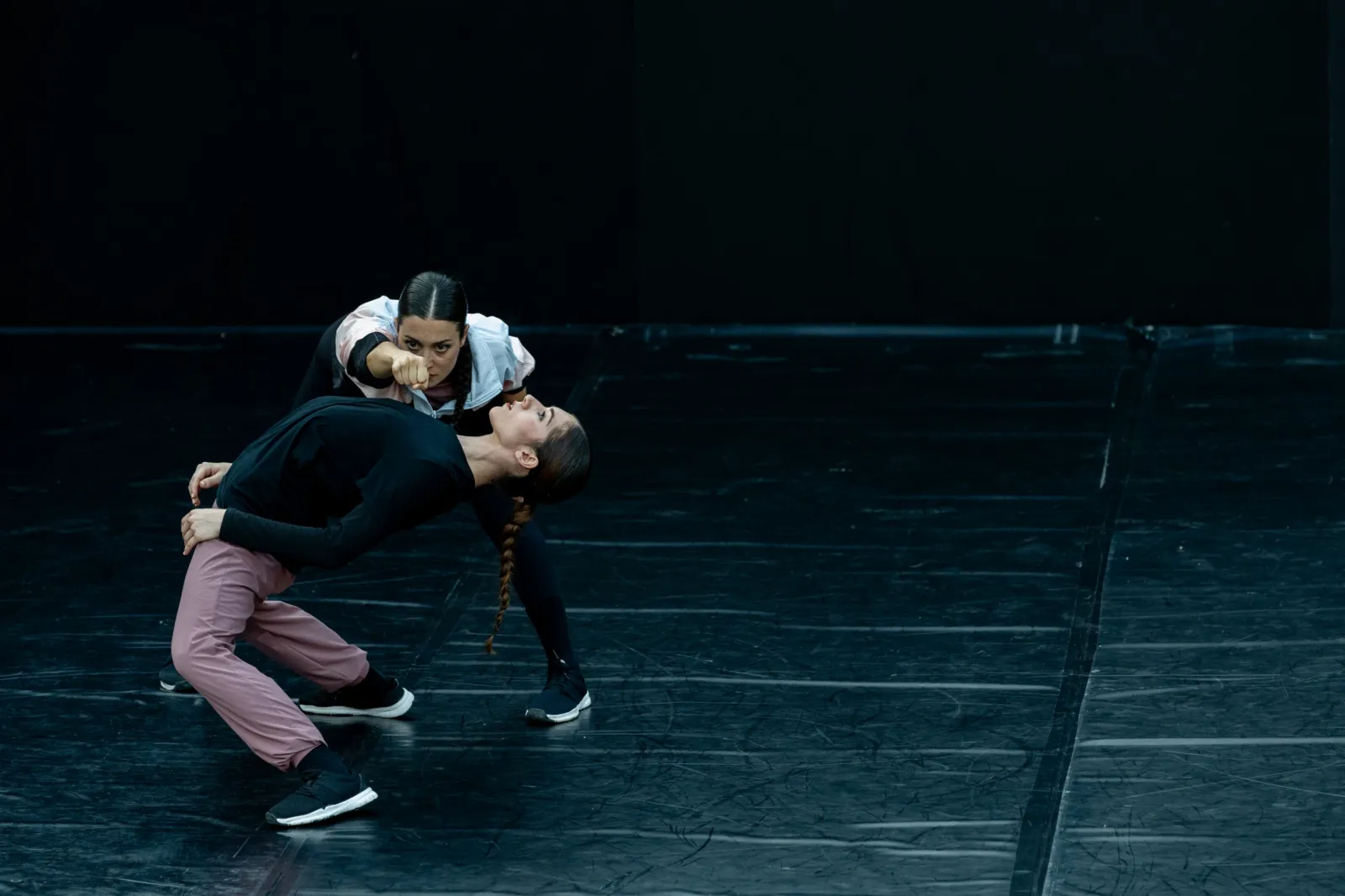
Gaia Biagiotti
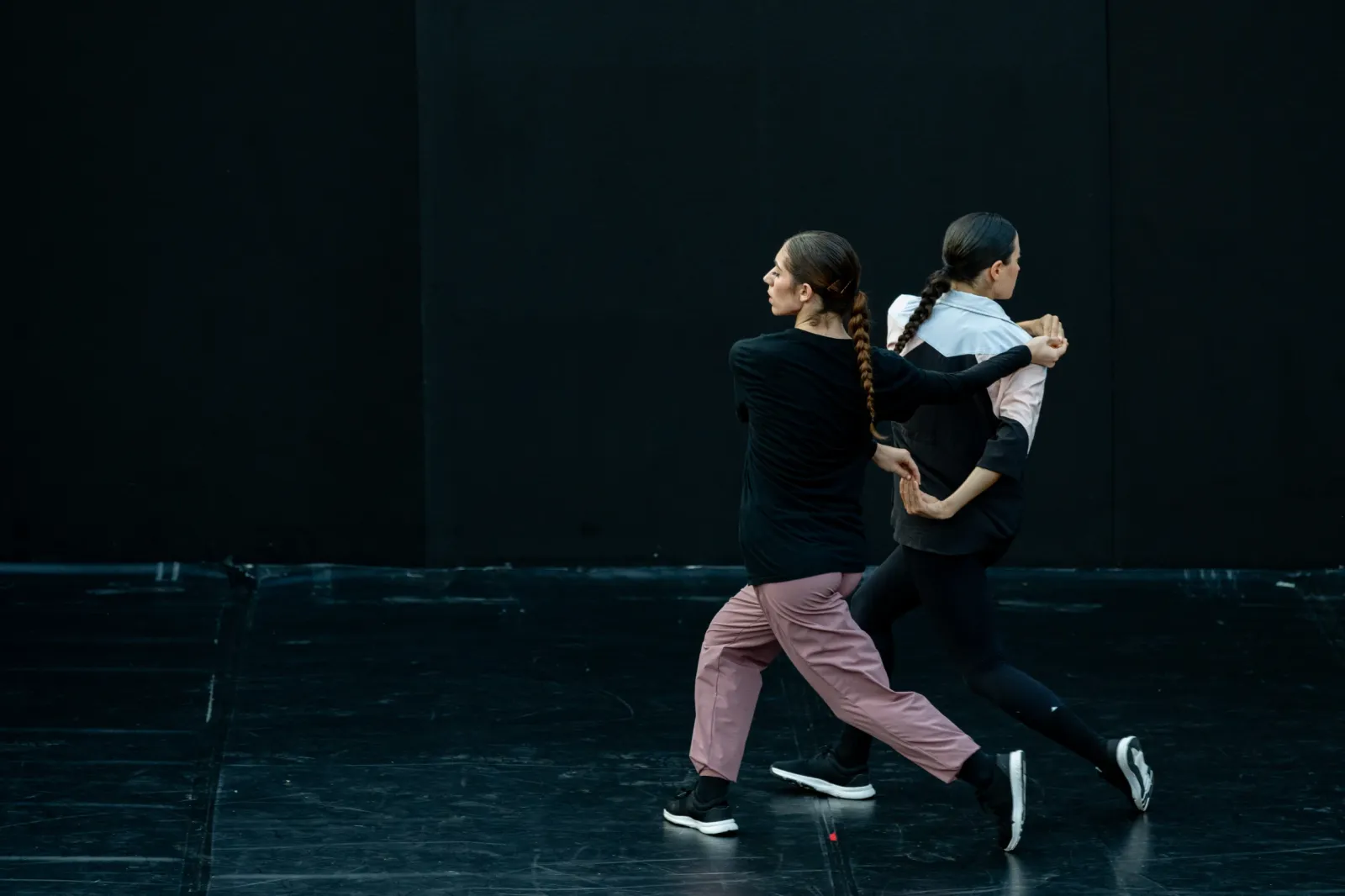
Gaia Biagiotti
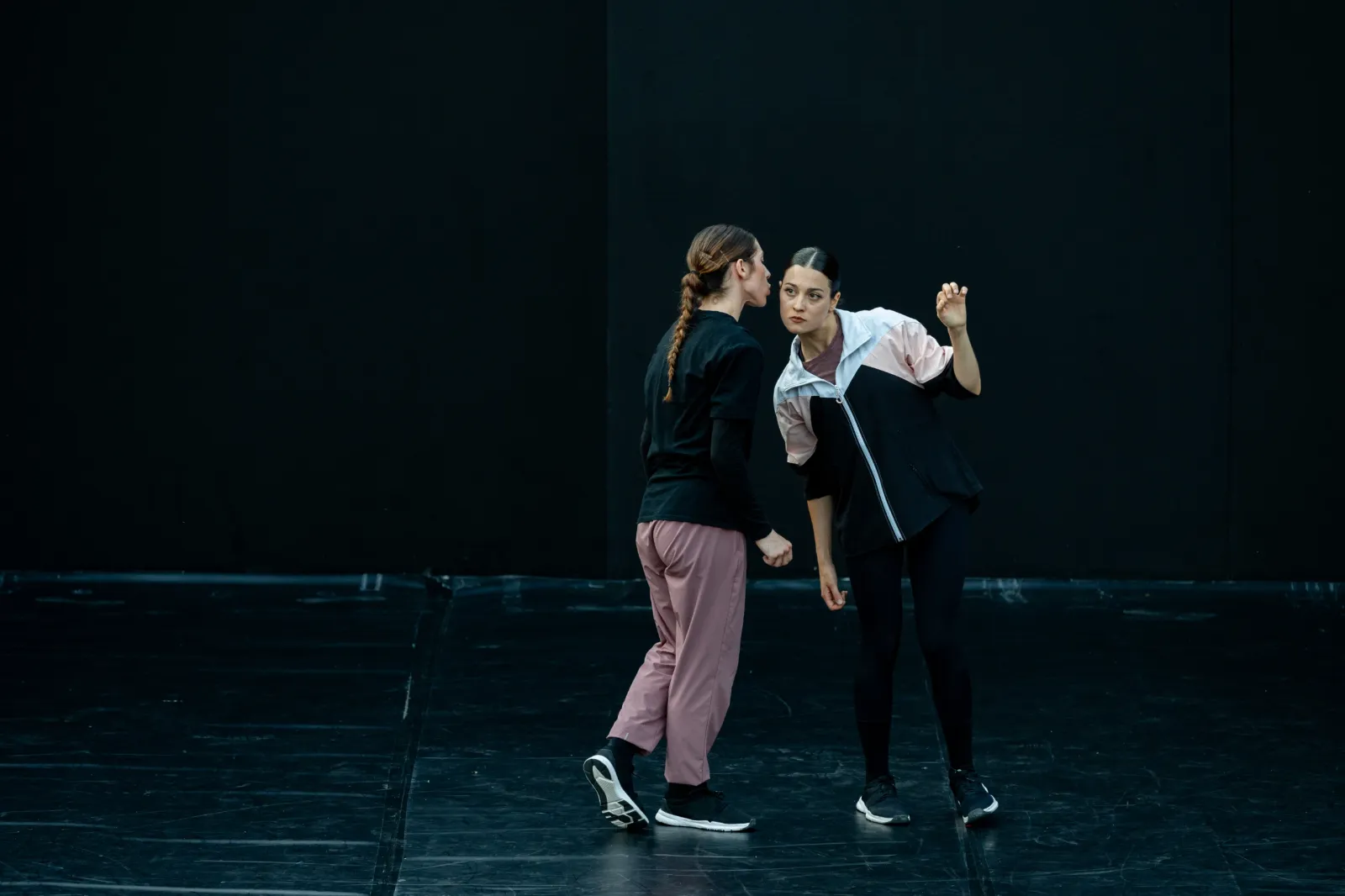
Gaia Biagiotti
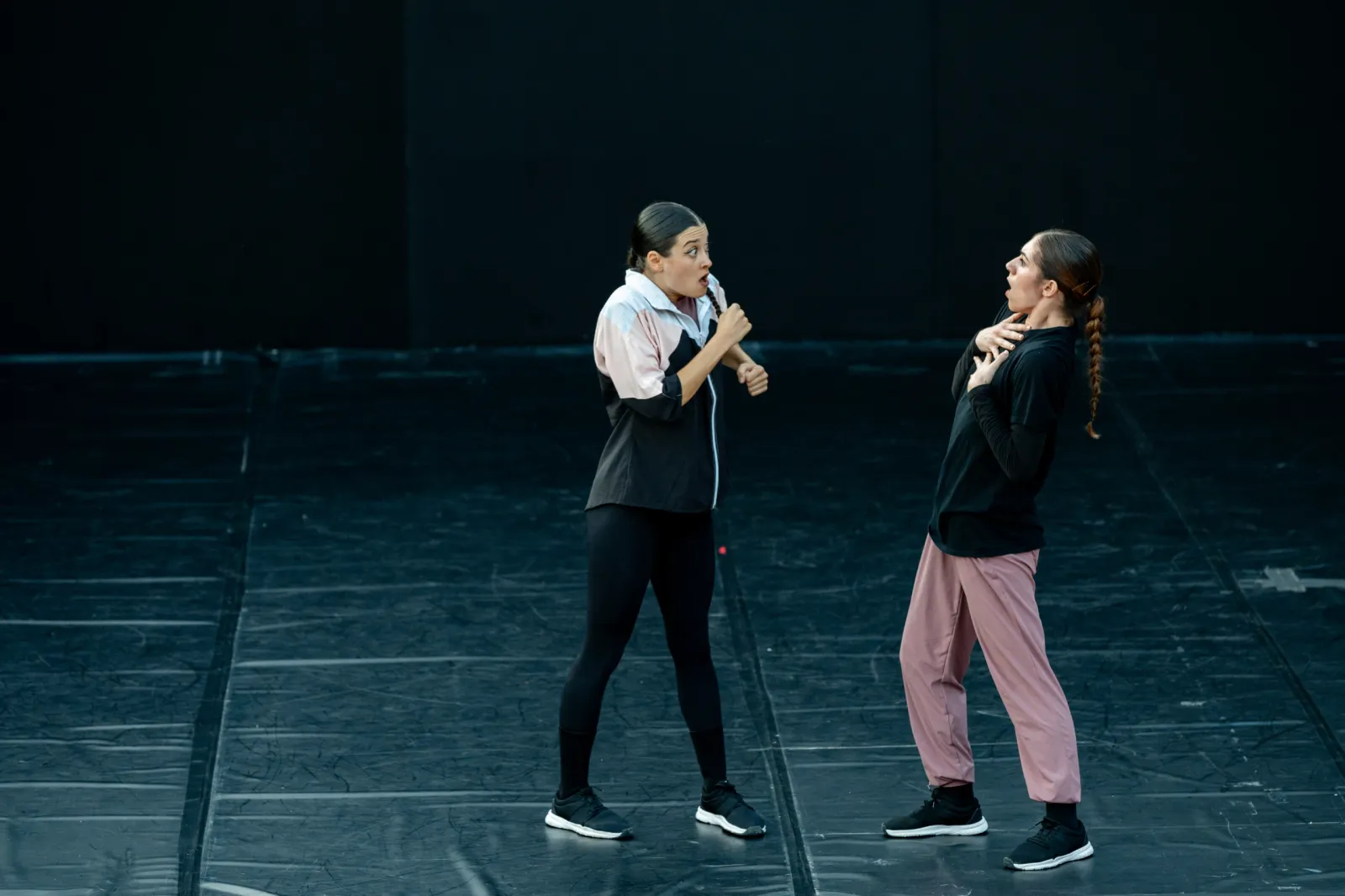
Gaia Biagiotti
Gaia Biagiotti
Gaia Biagiotti
Gaia Biagiotti
Gaia Biagiotti
Gaia Biagiotti
Gaia Biagiotti
Gaia Biagiotti
Gaia Biagiotti
Gaia Biagiotti
Gaia Biagiotti
Gaia Biagiotti
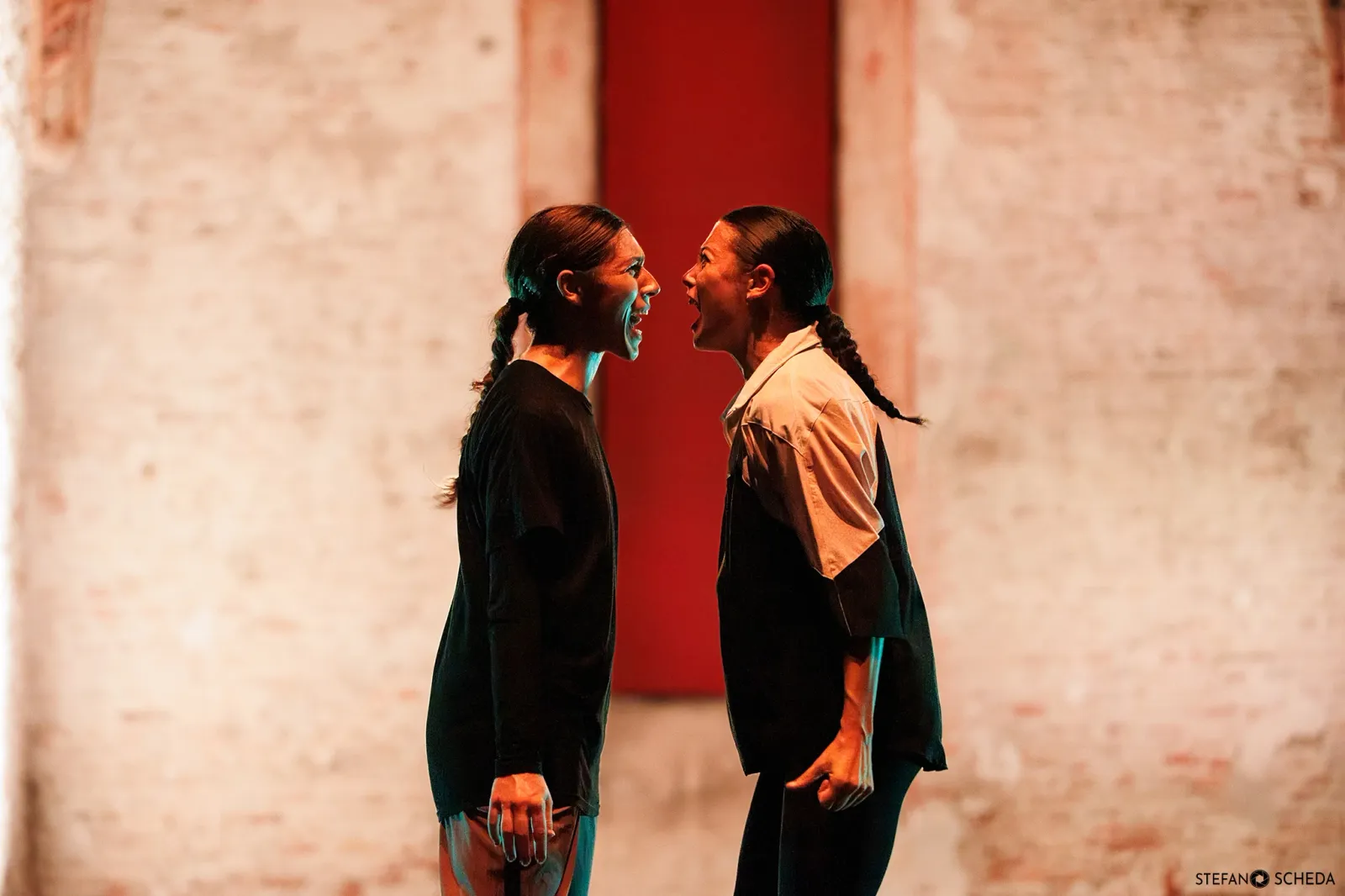
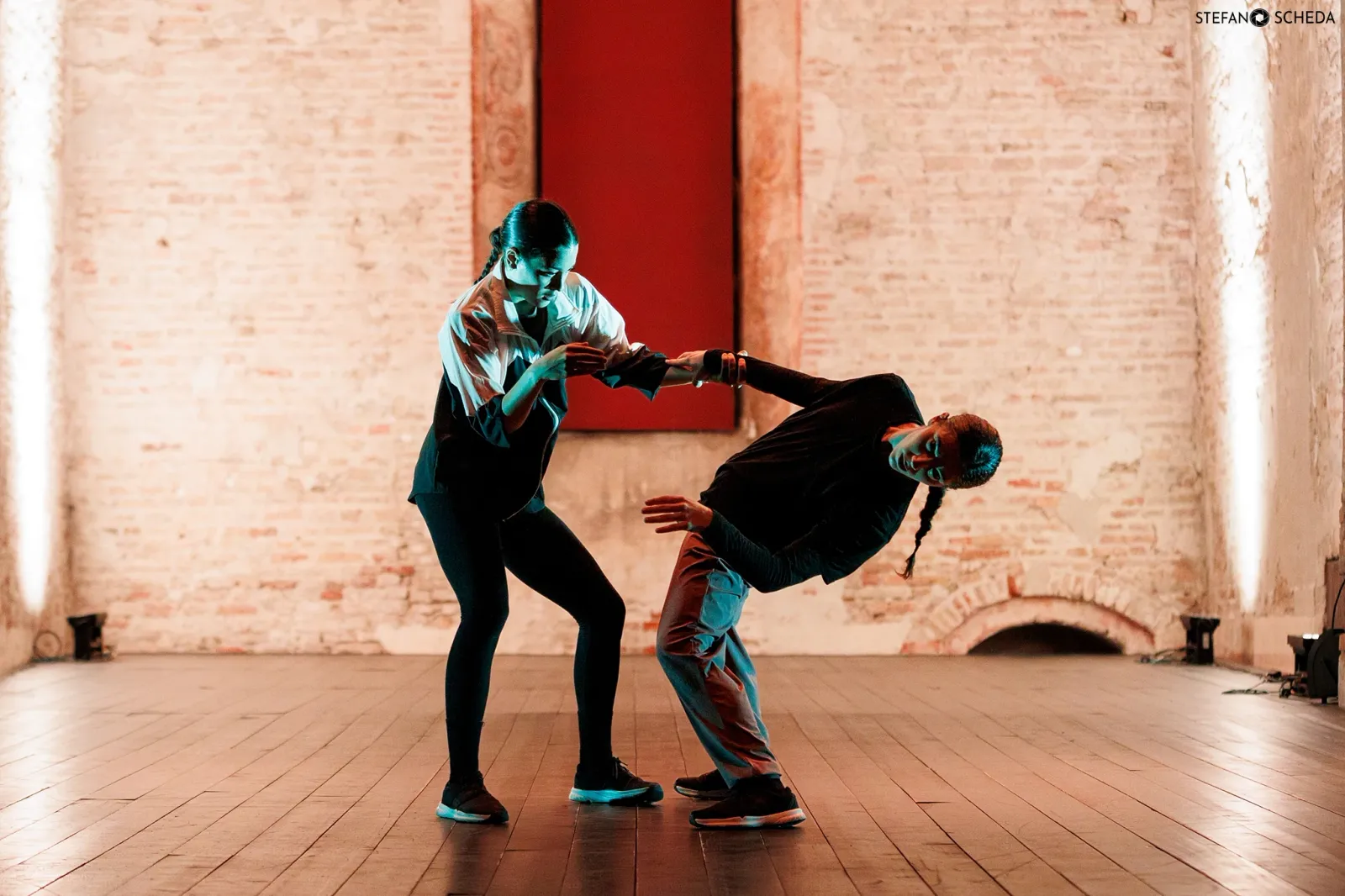
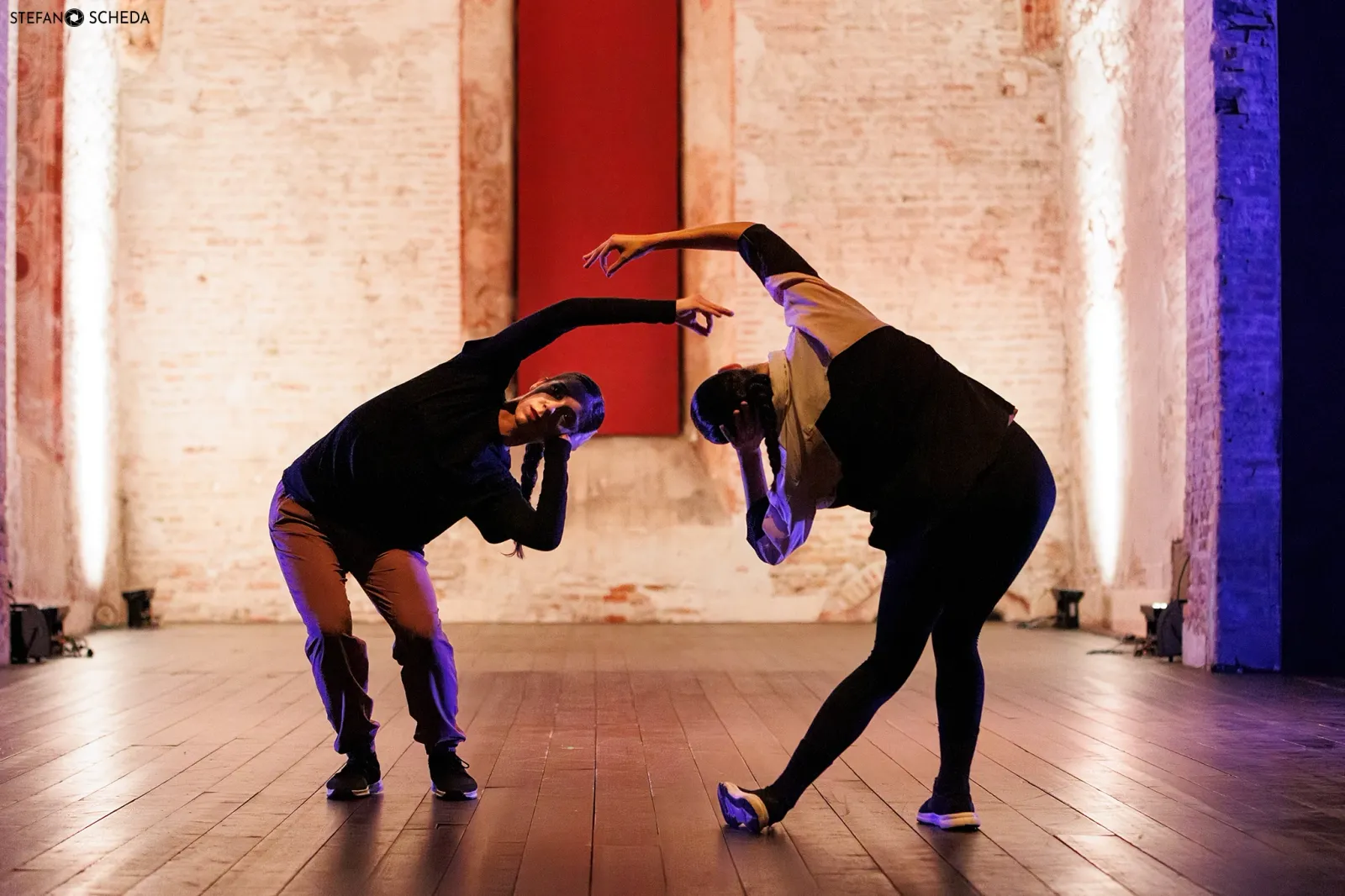
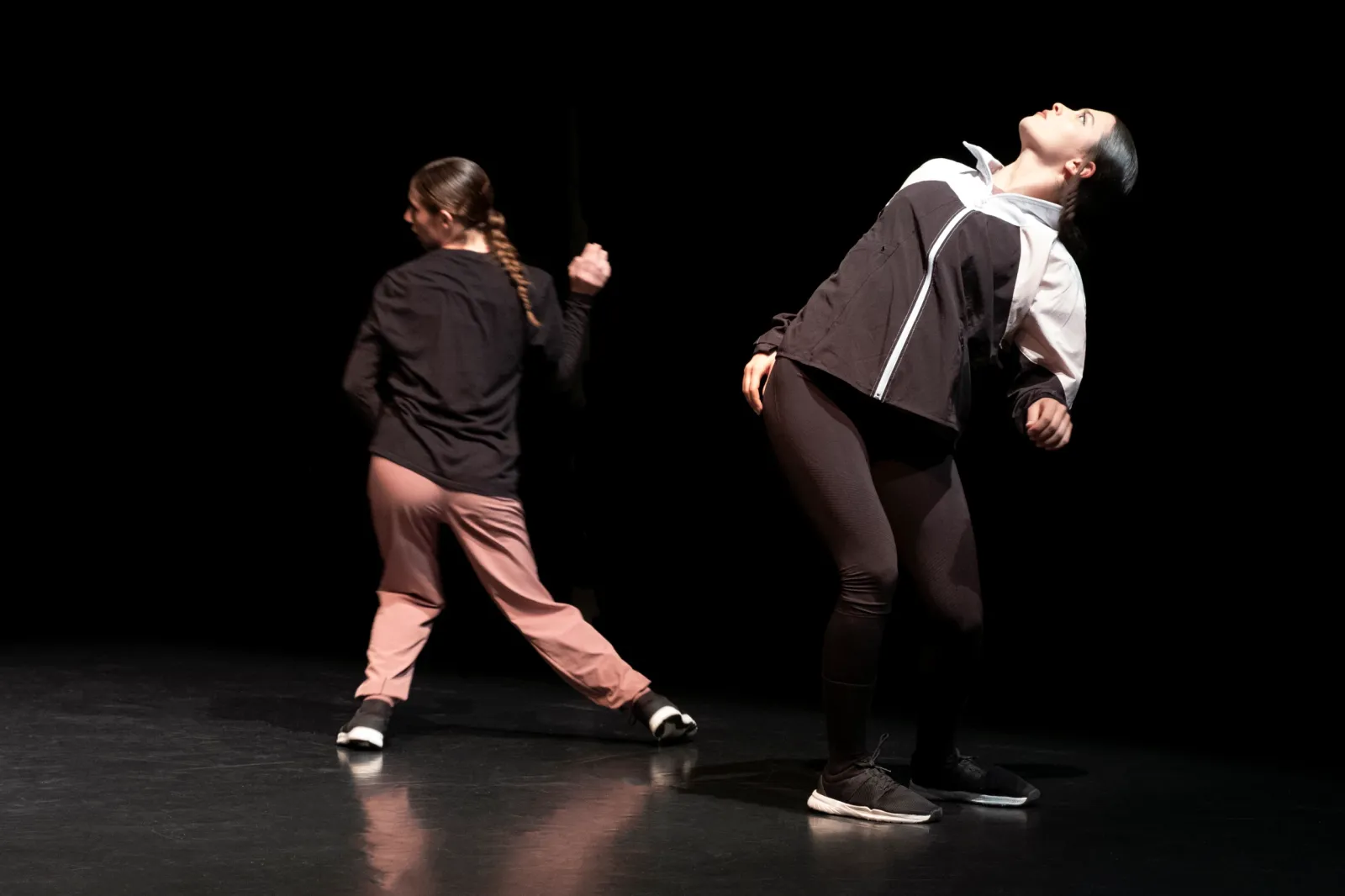
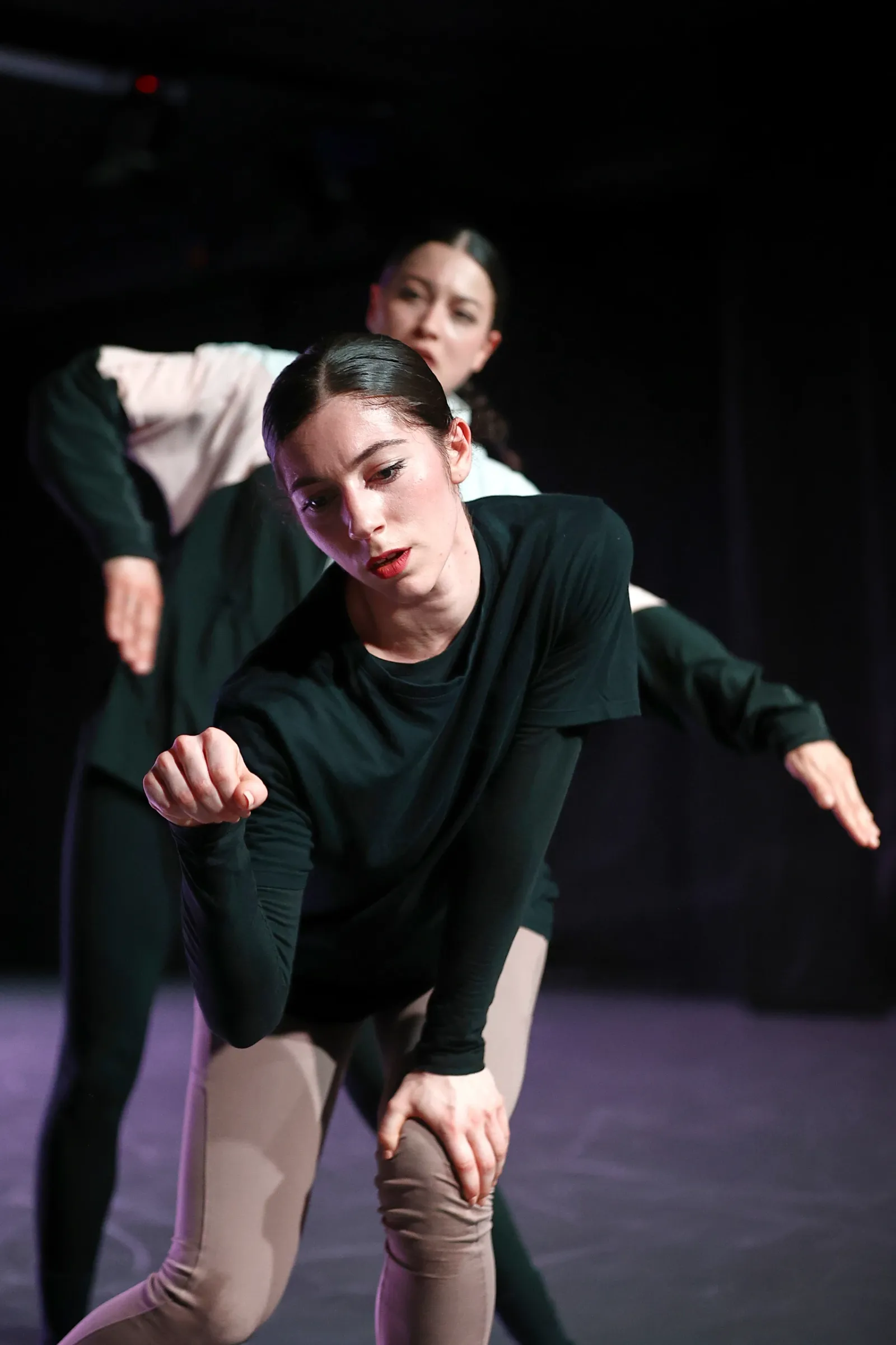
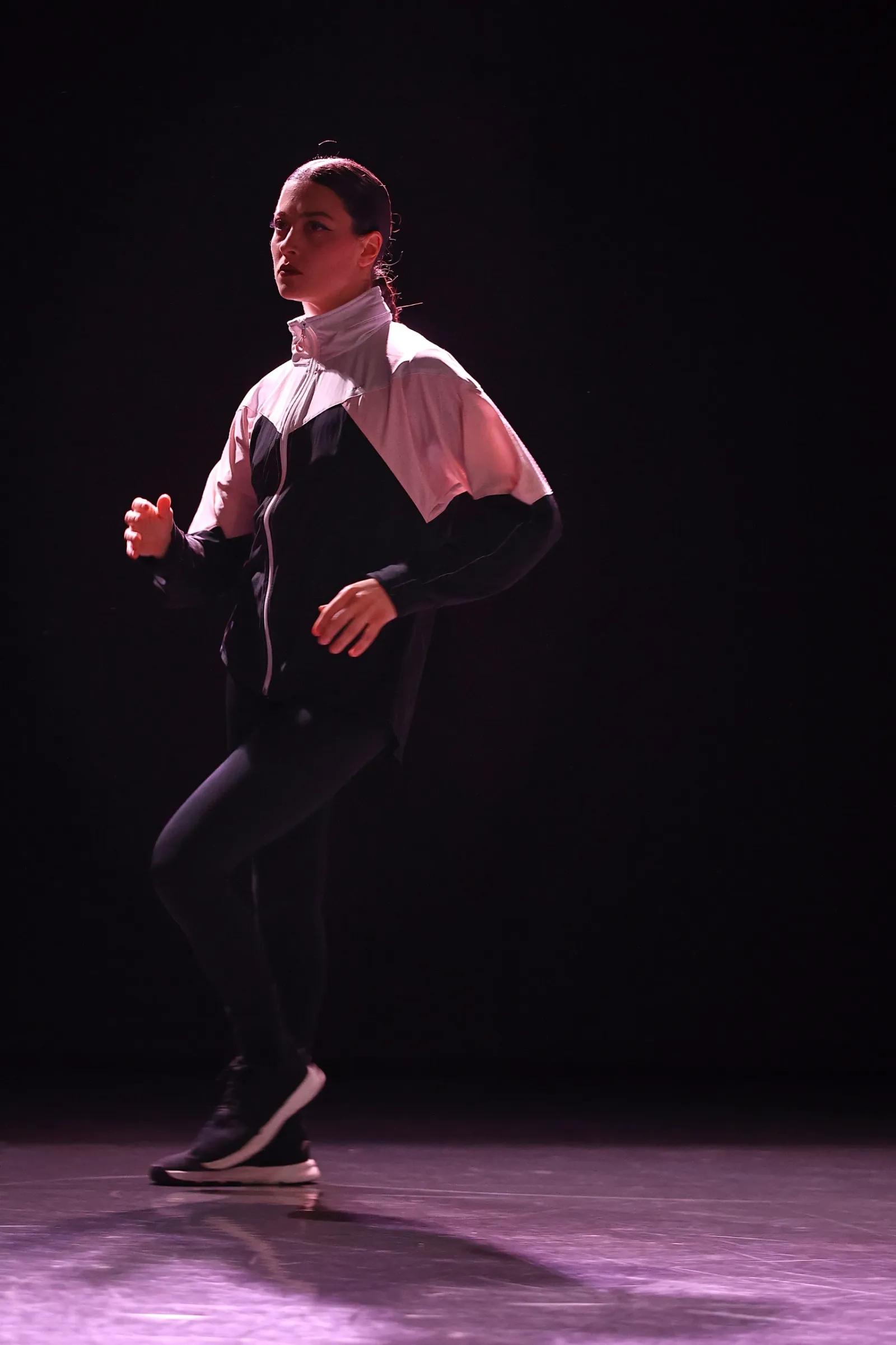
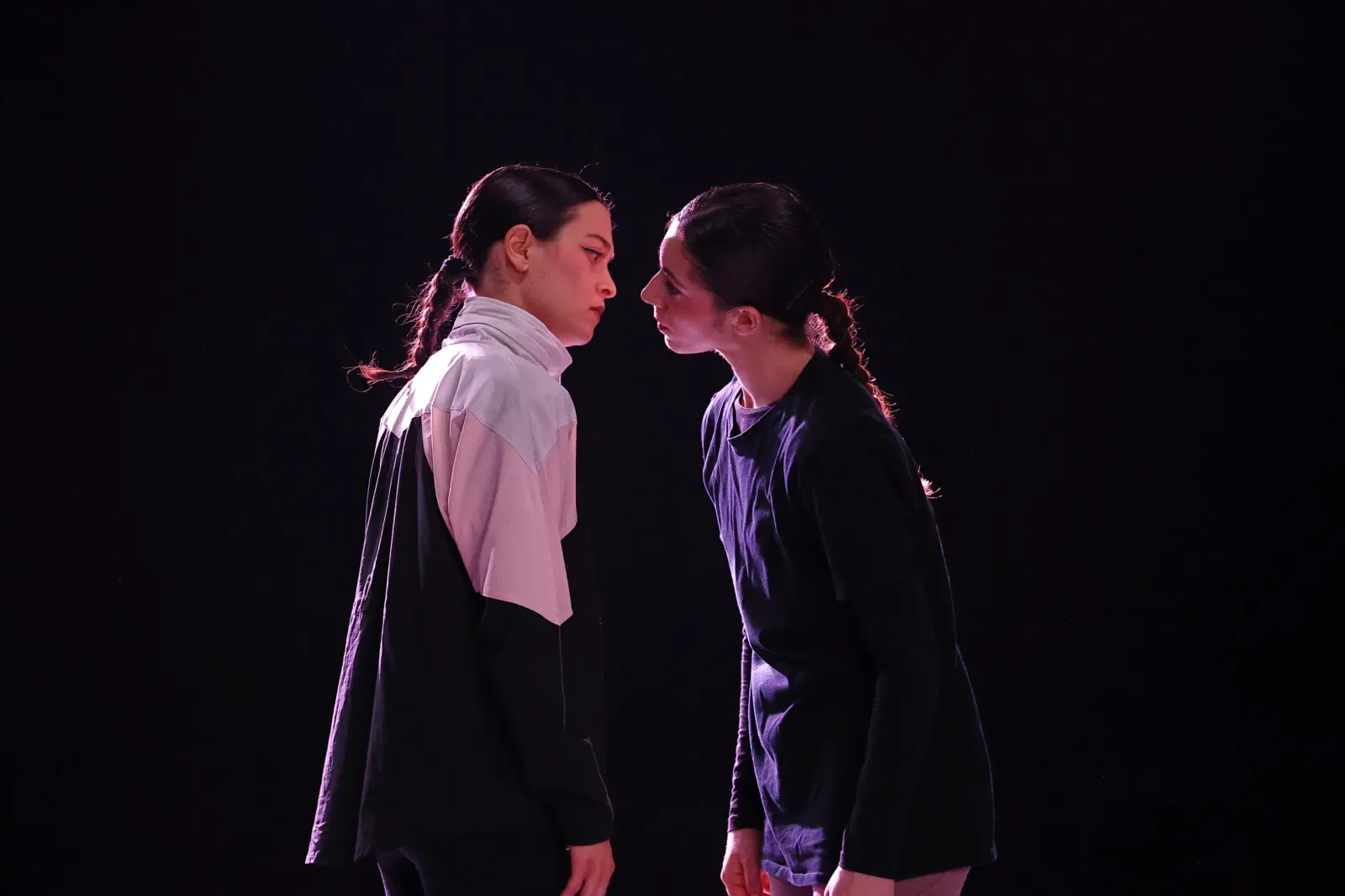
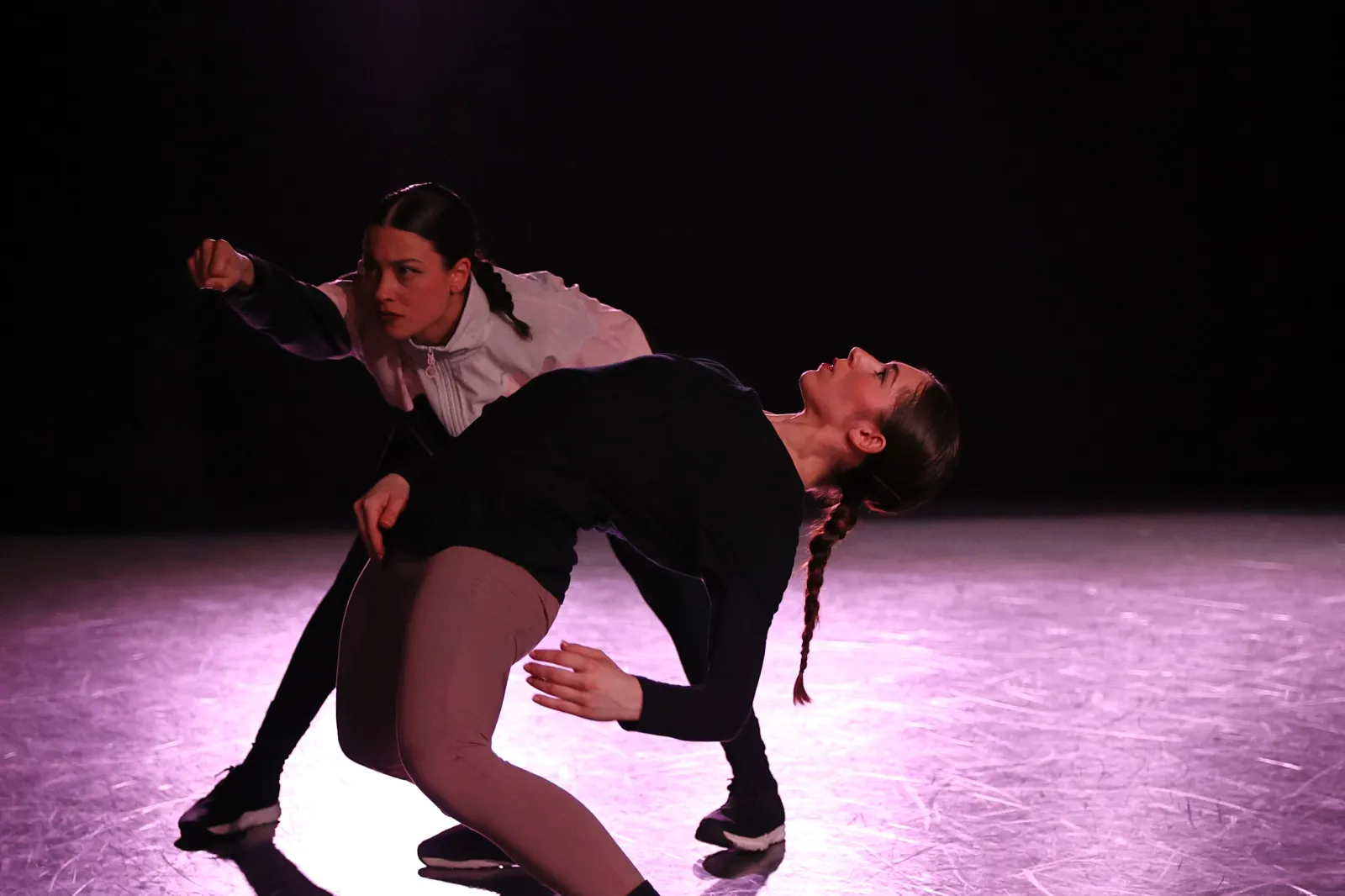
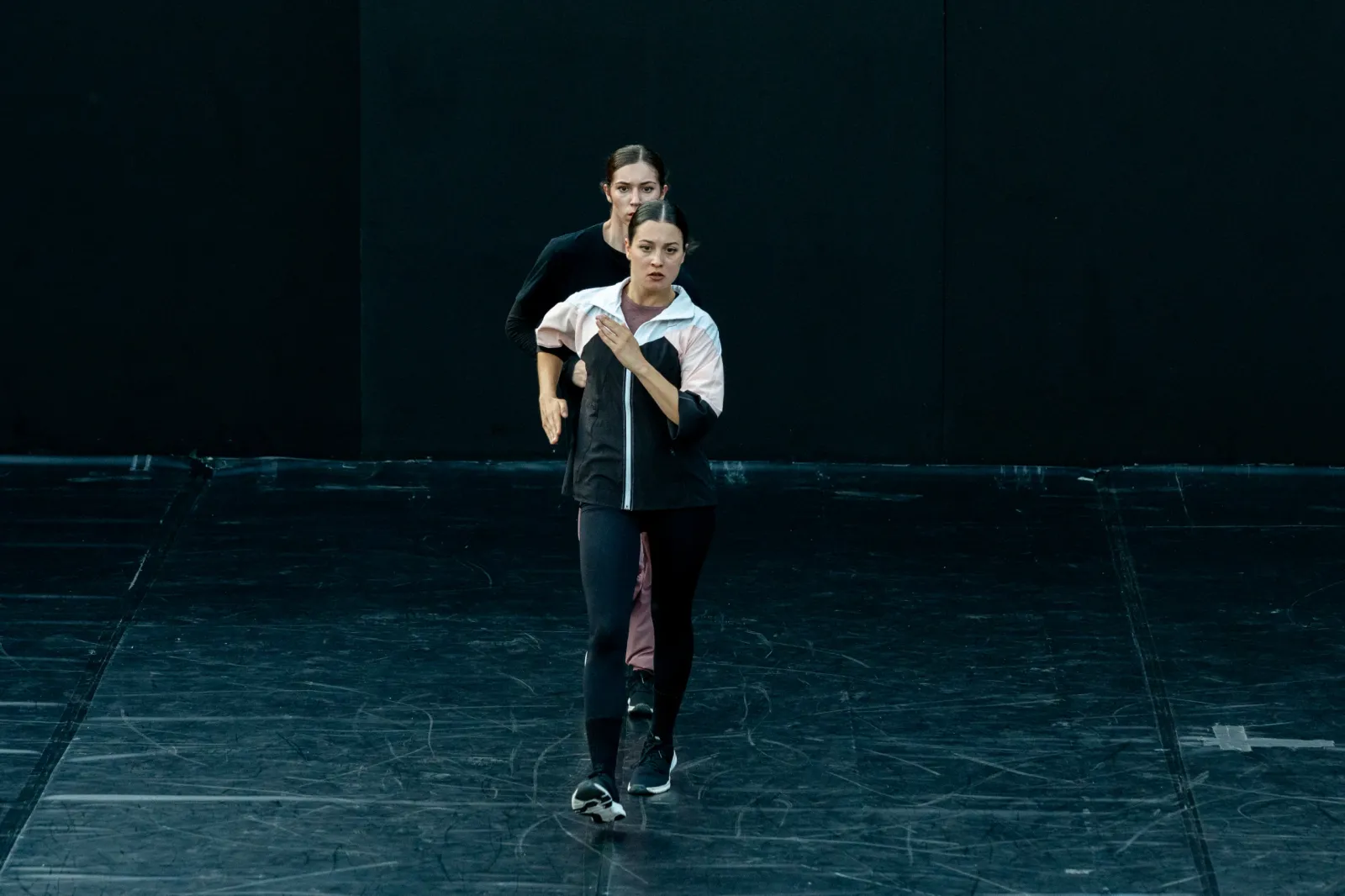
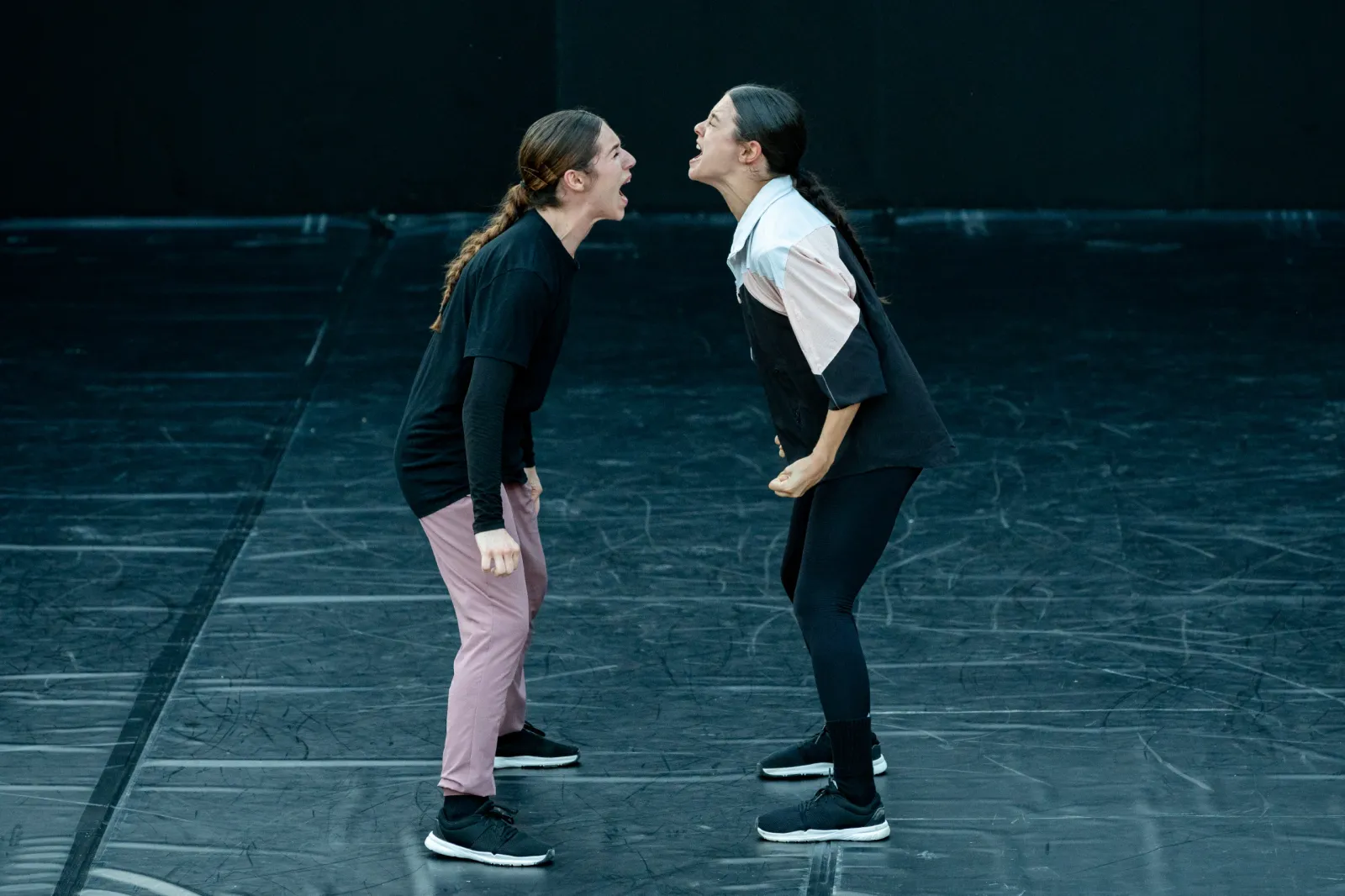
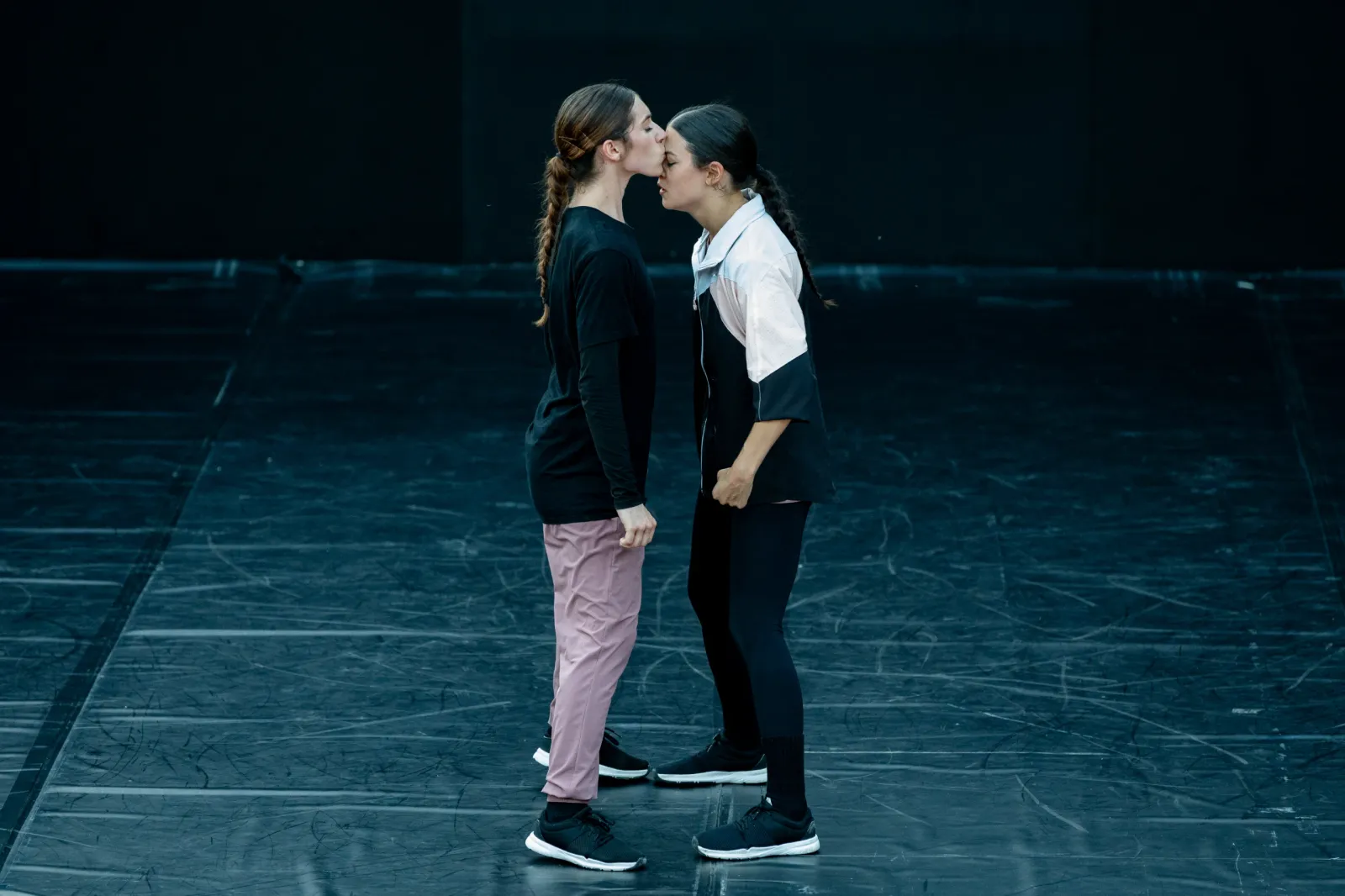
SIMBIOSI
Premiere: Sep 8, 2023 - Sala della Musica, Ferrara (FE)
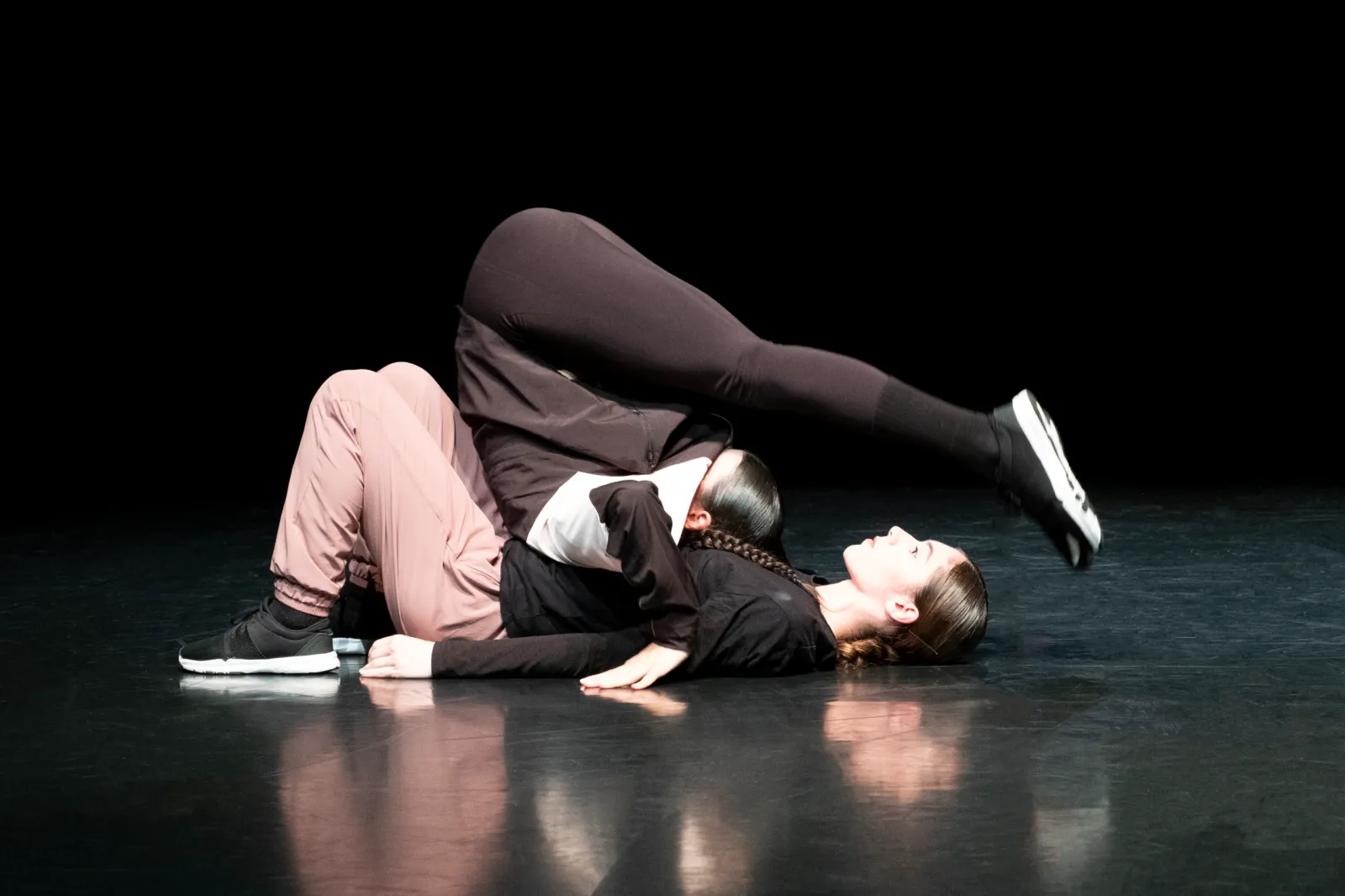
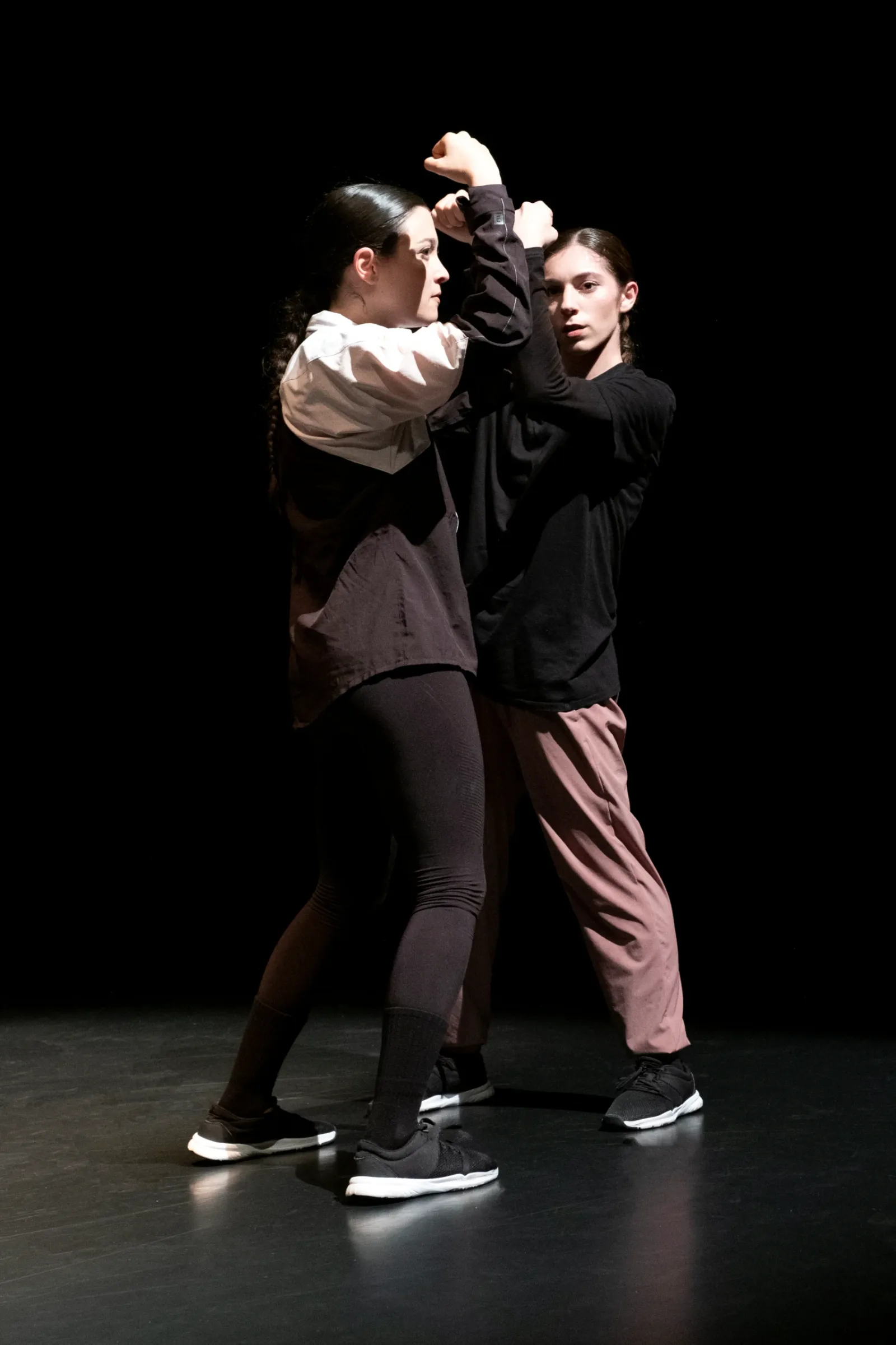
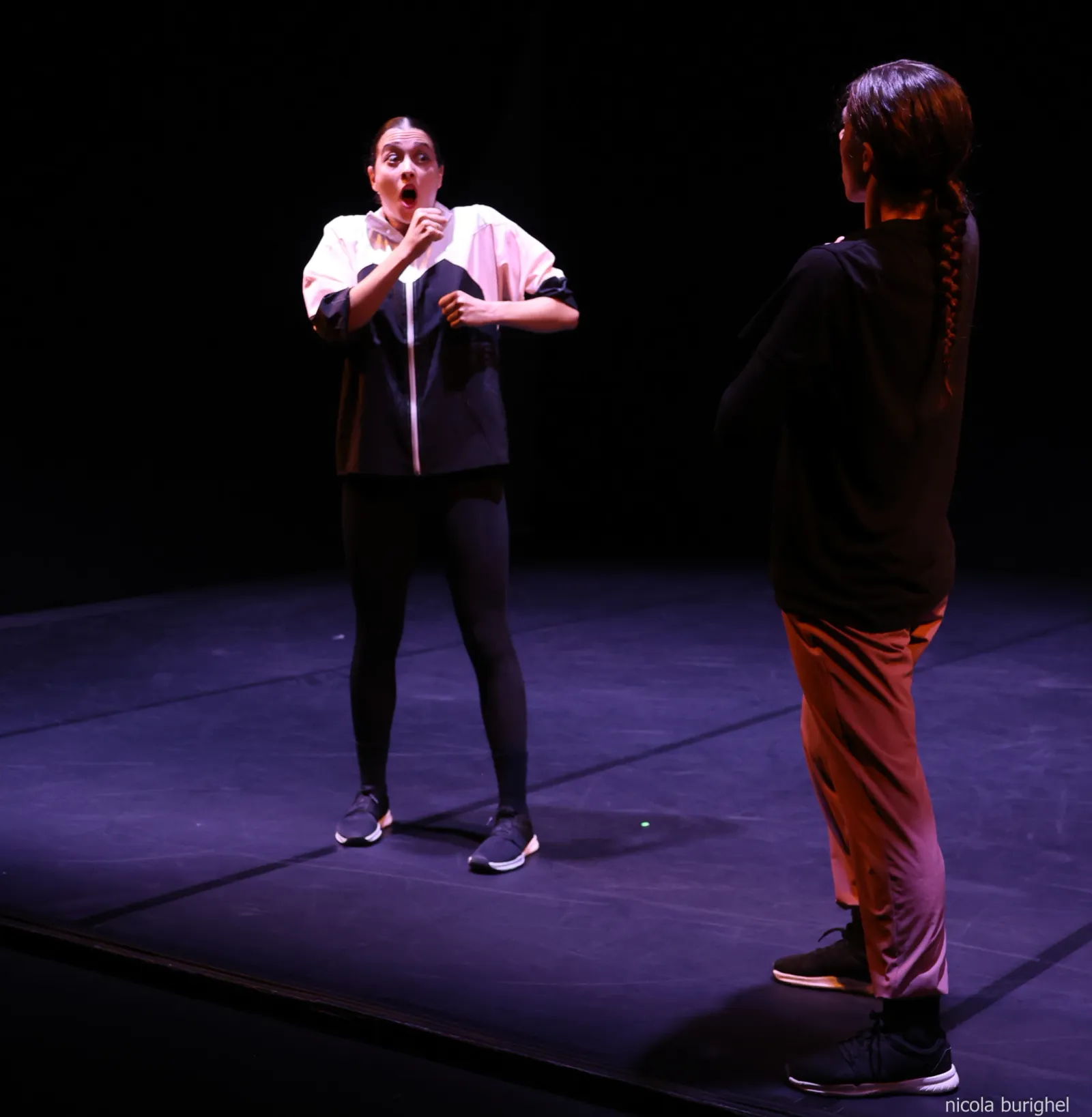
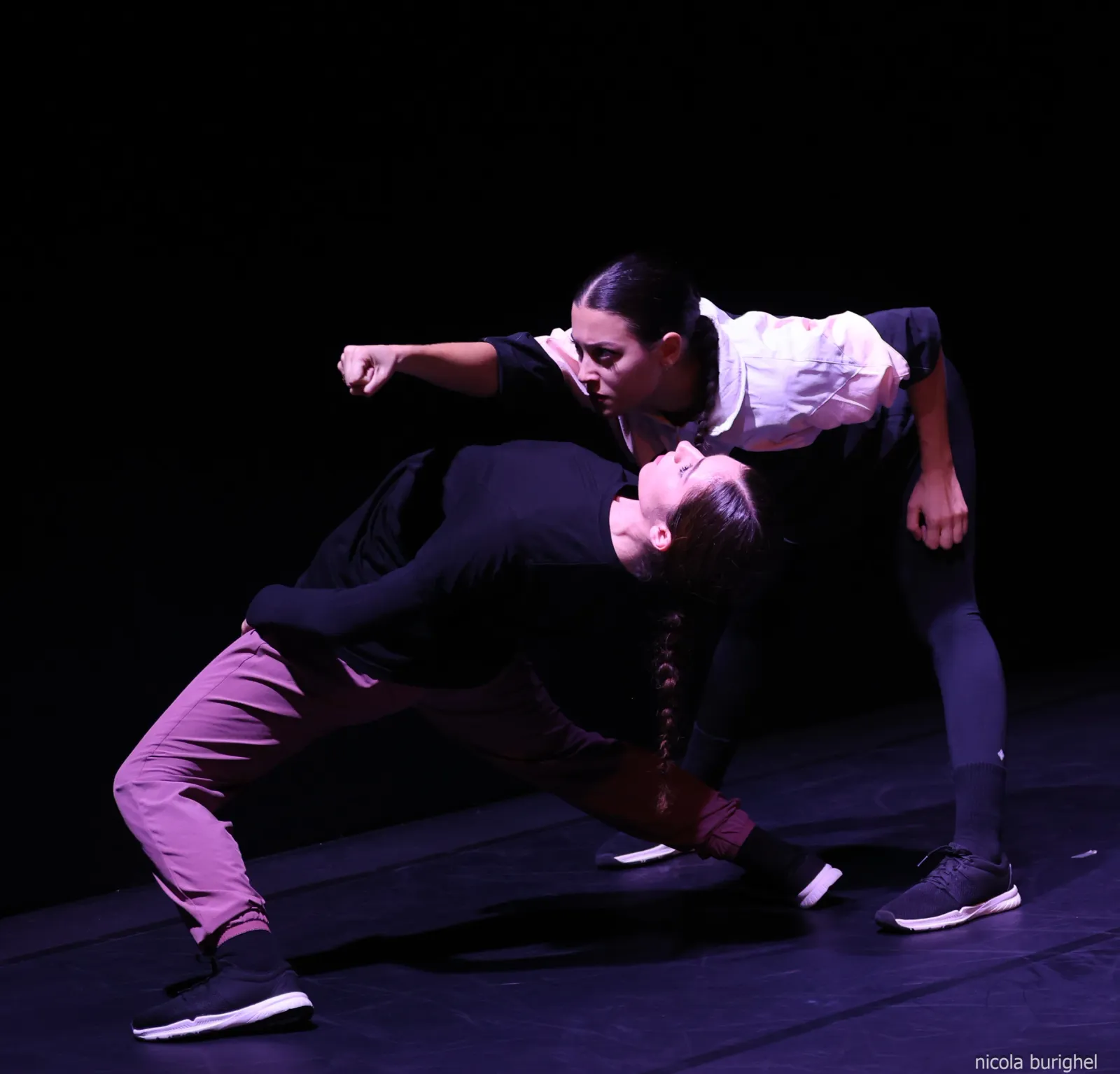
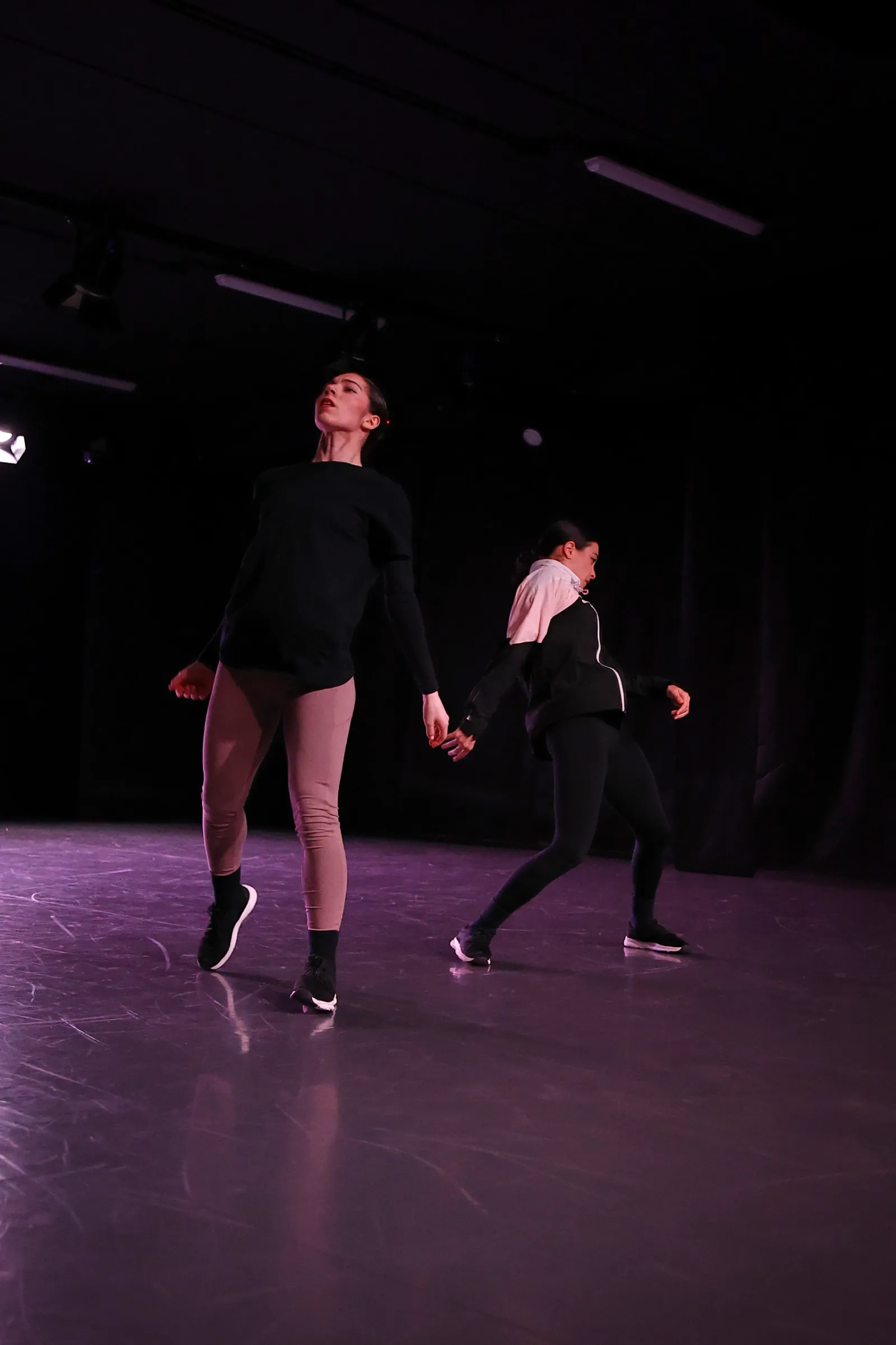
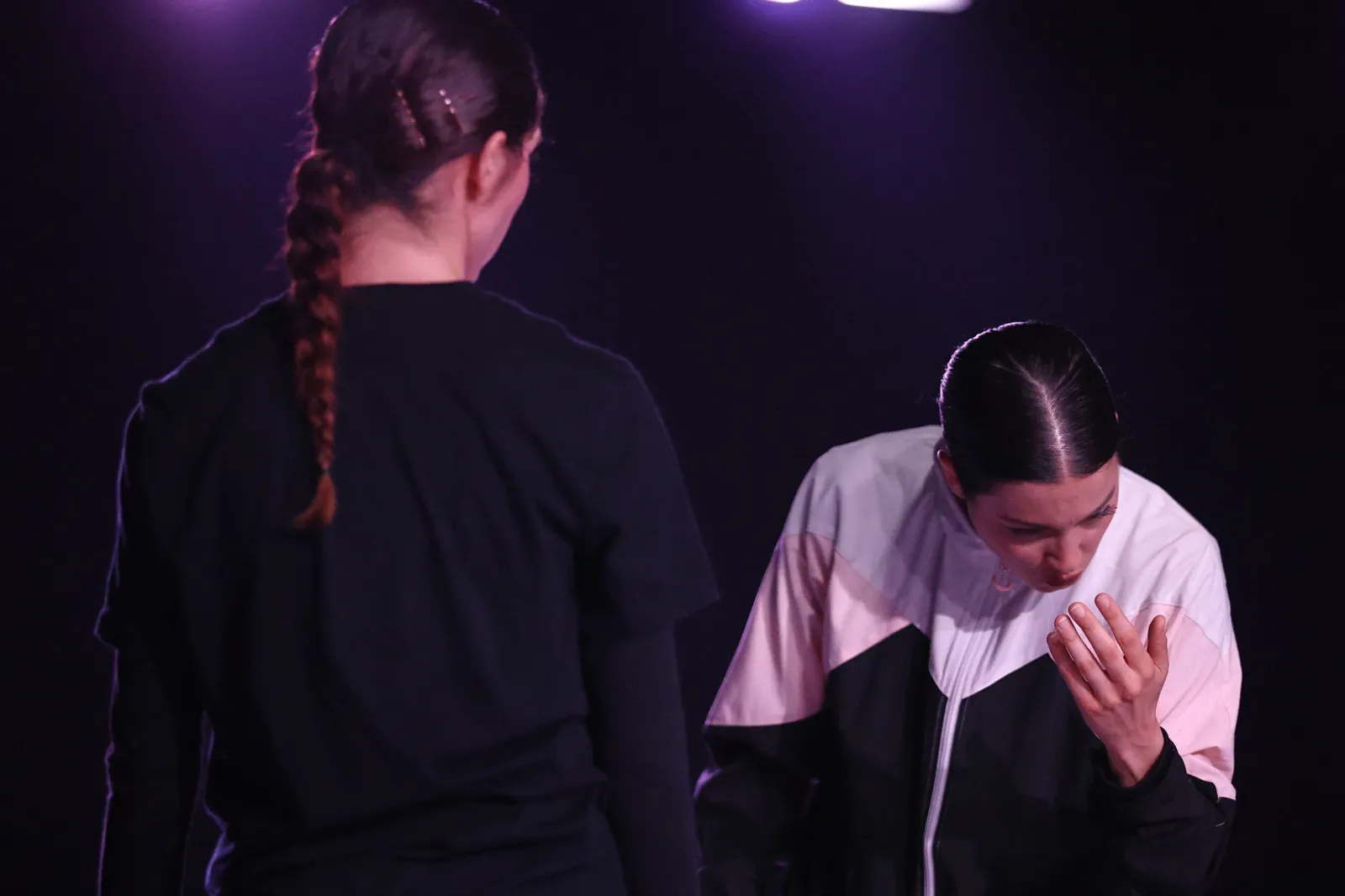
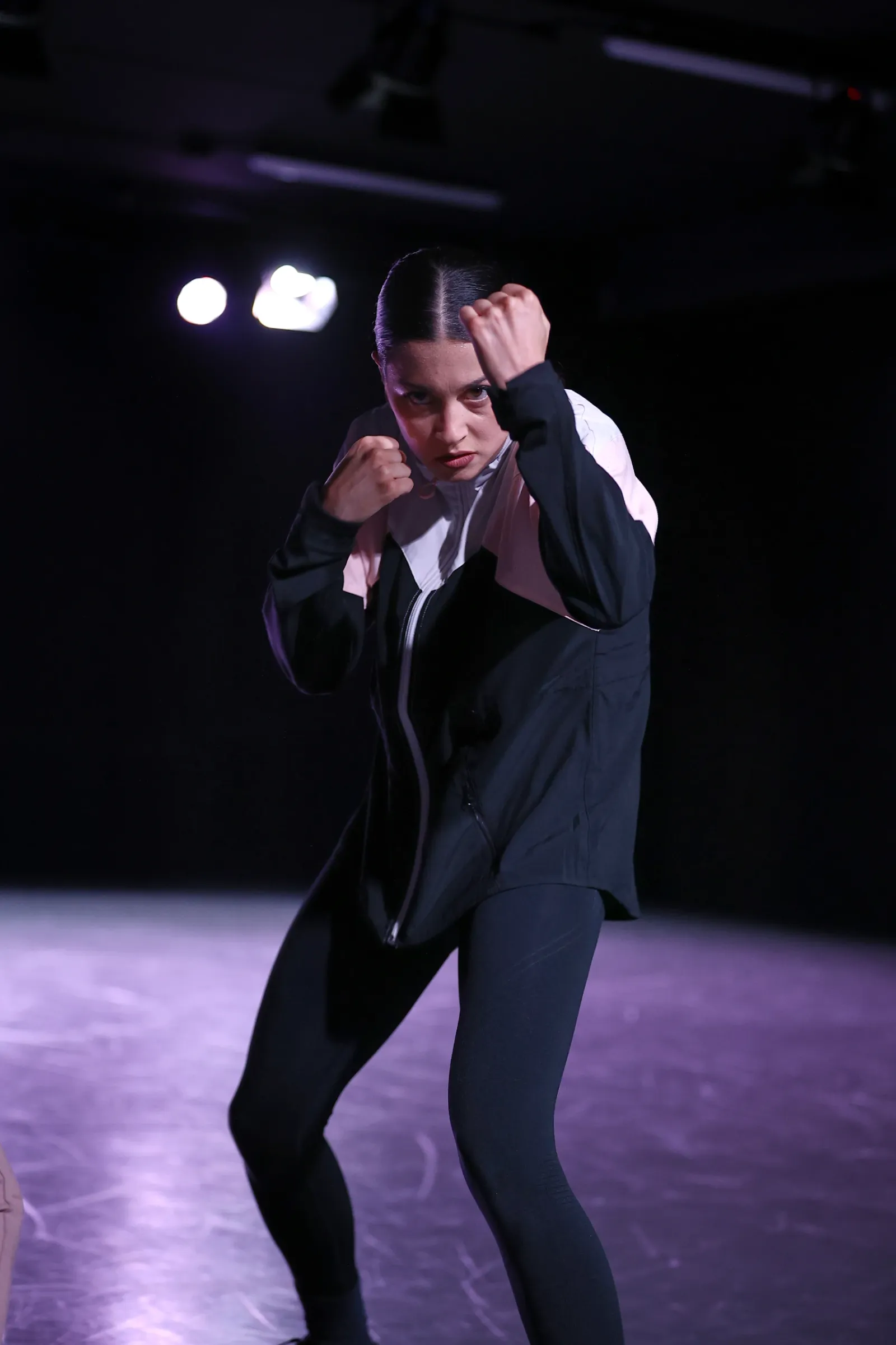
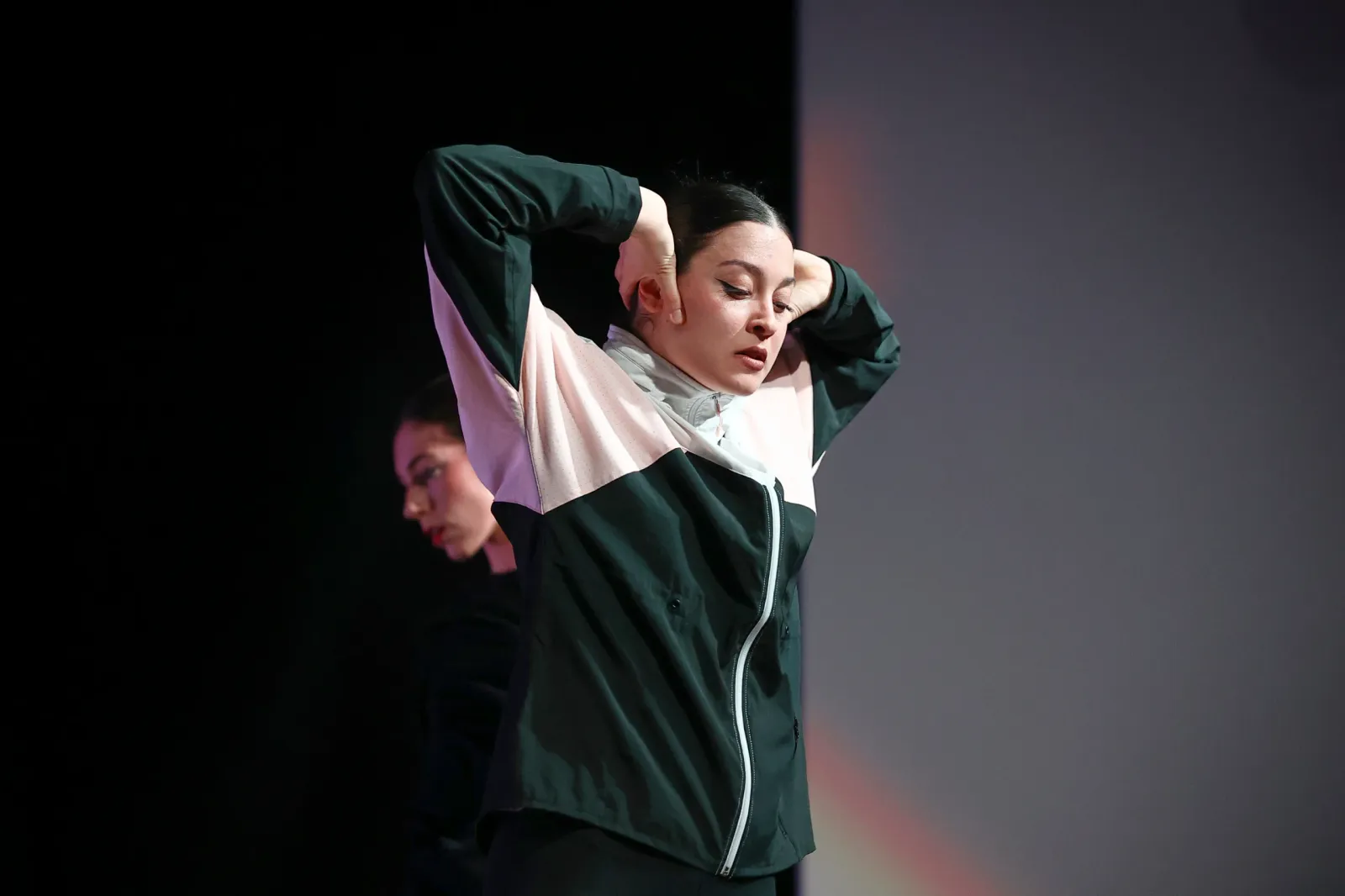
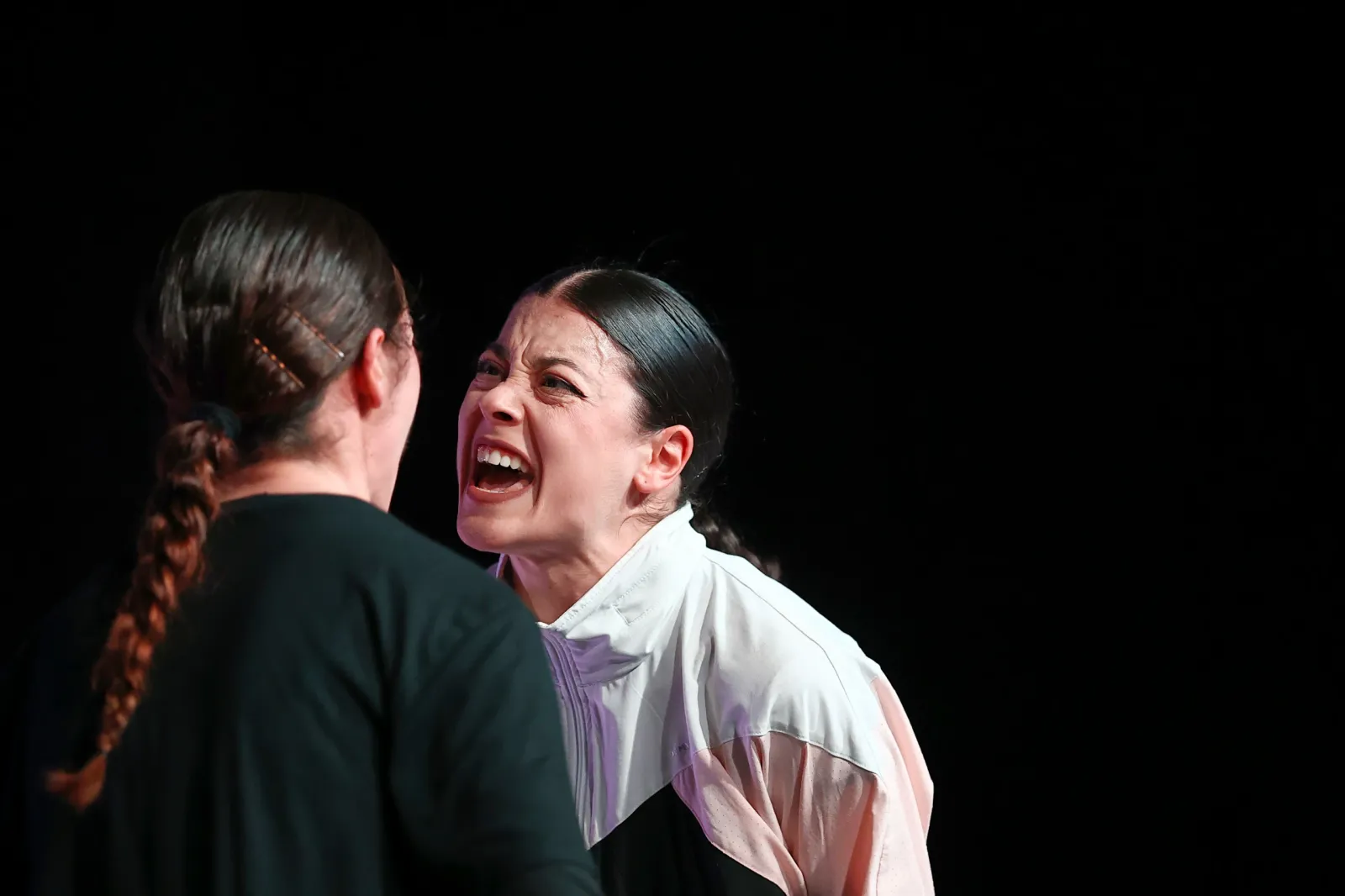
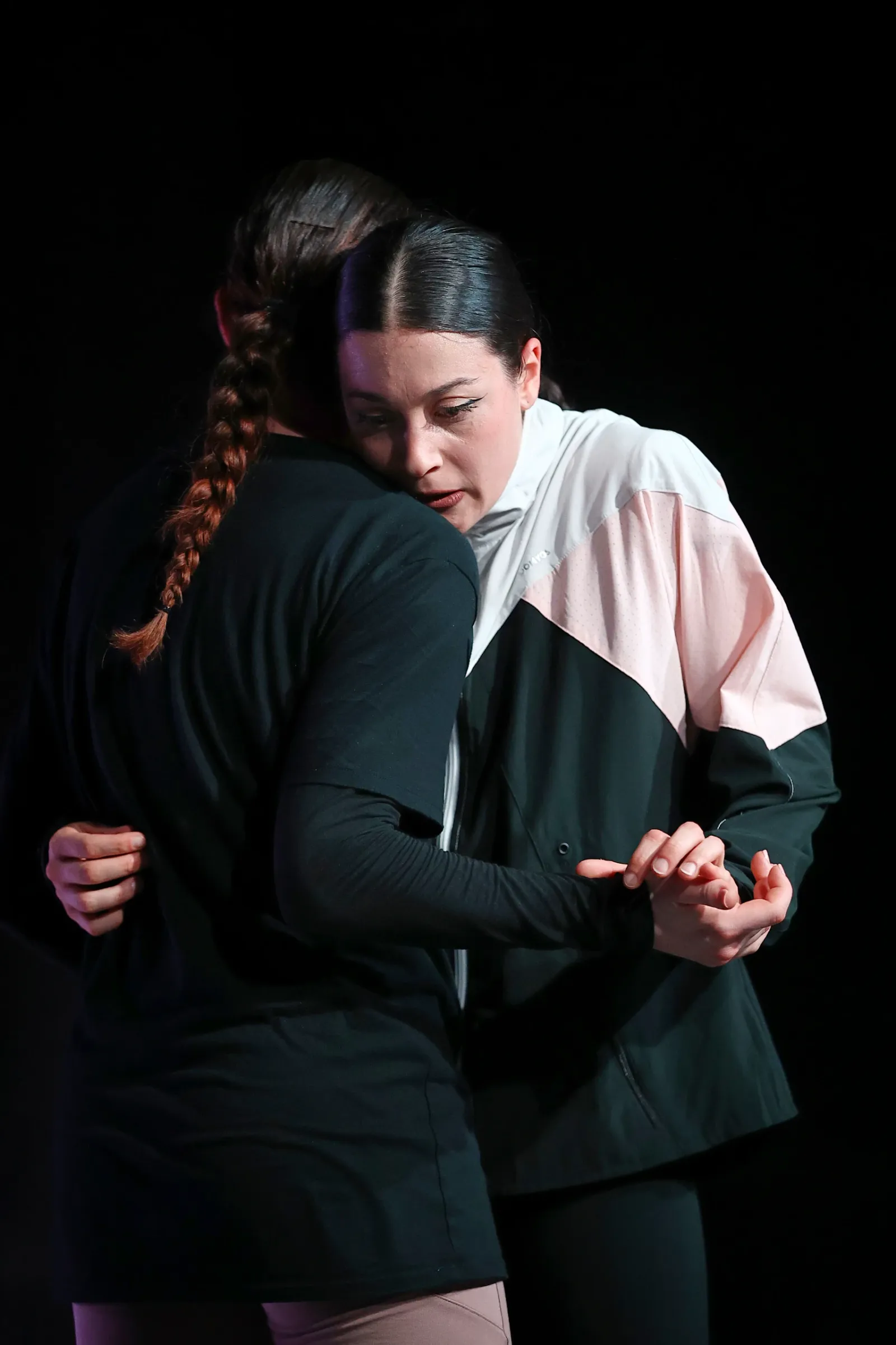
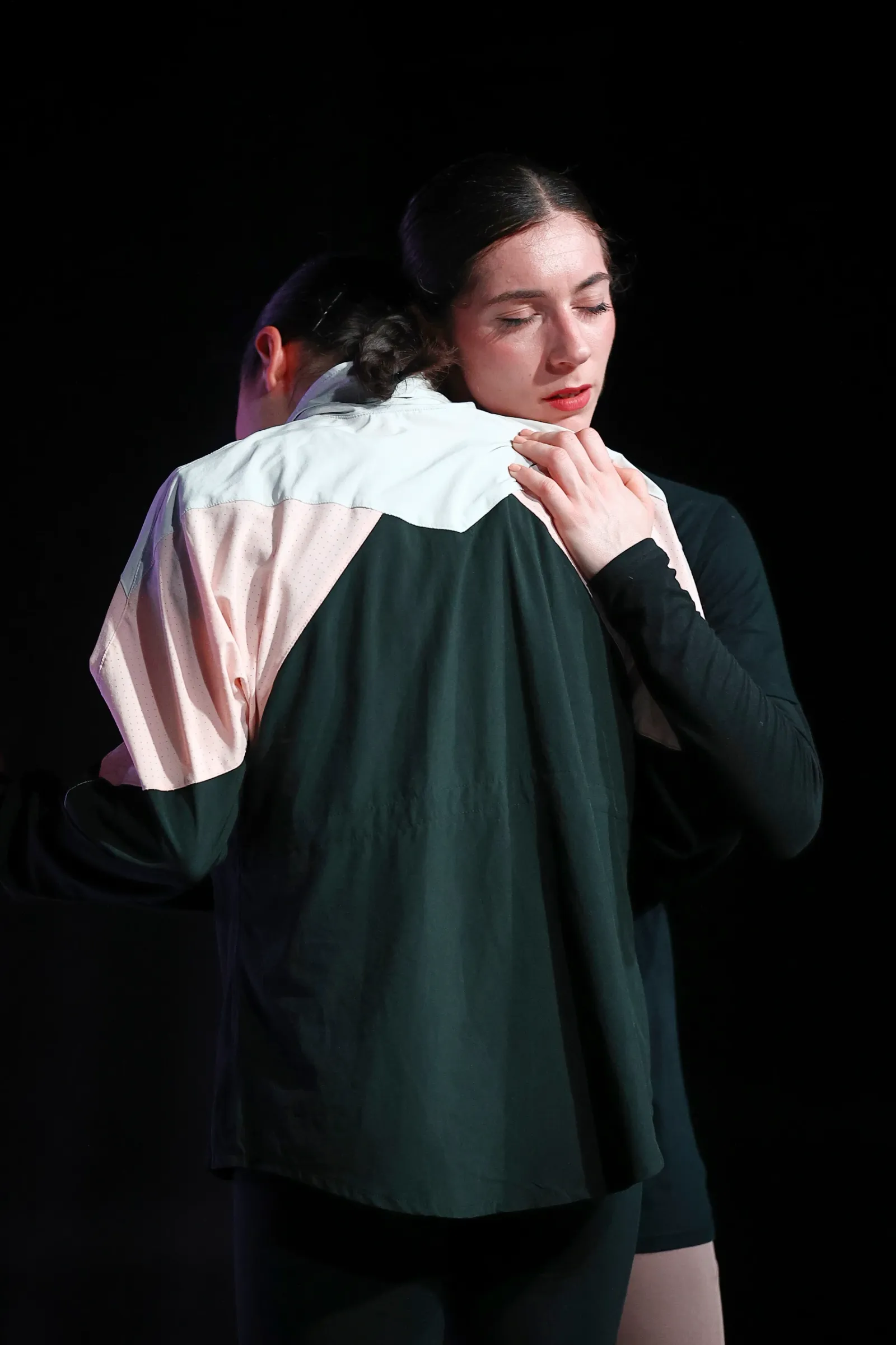
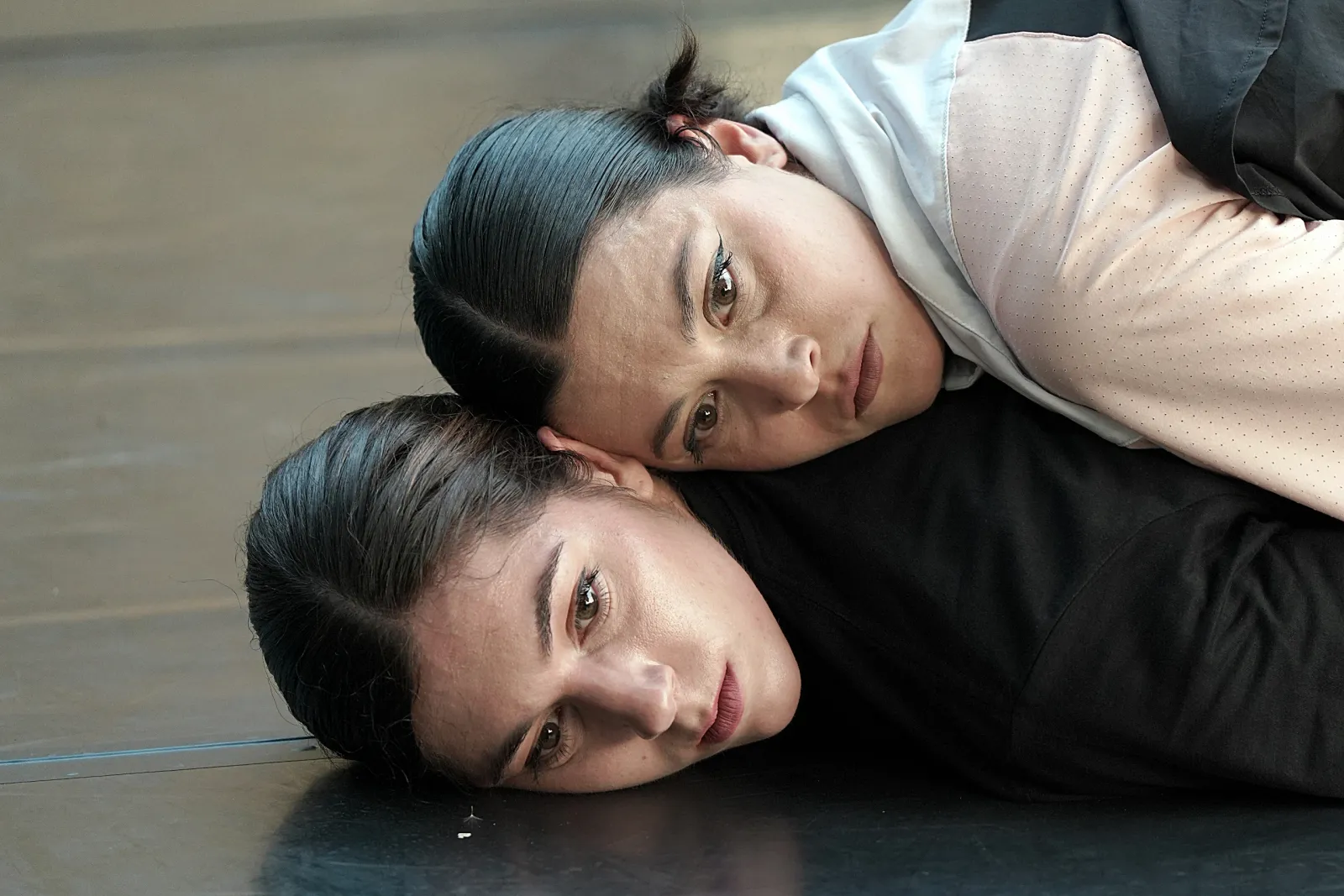
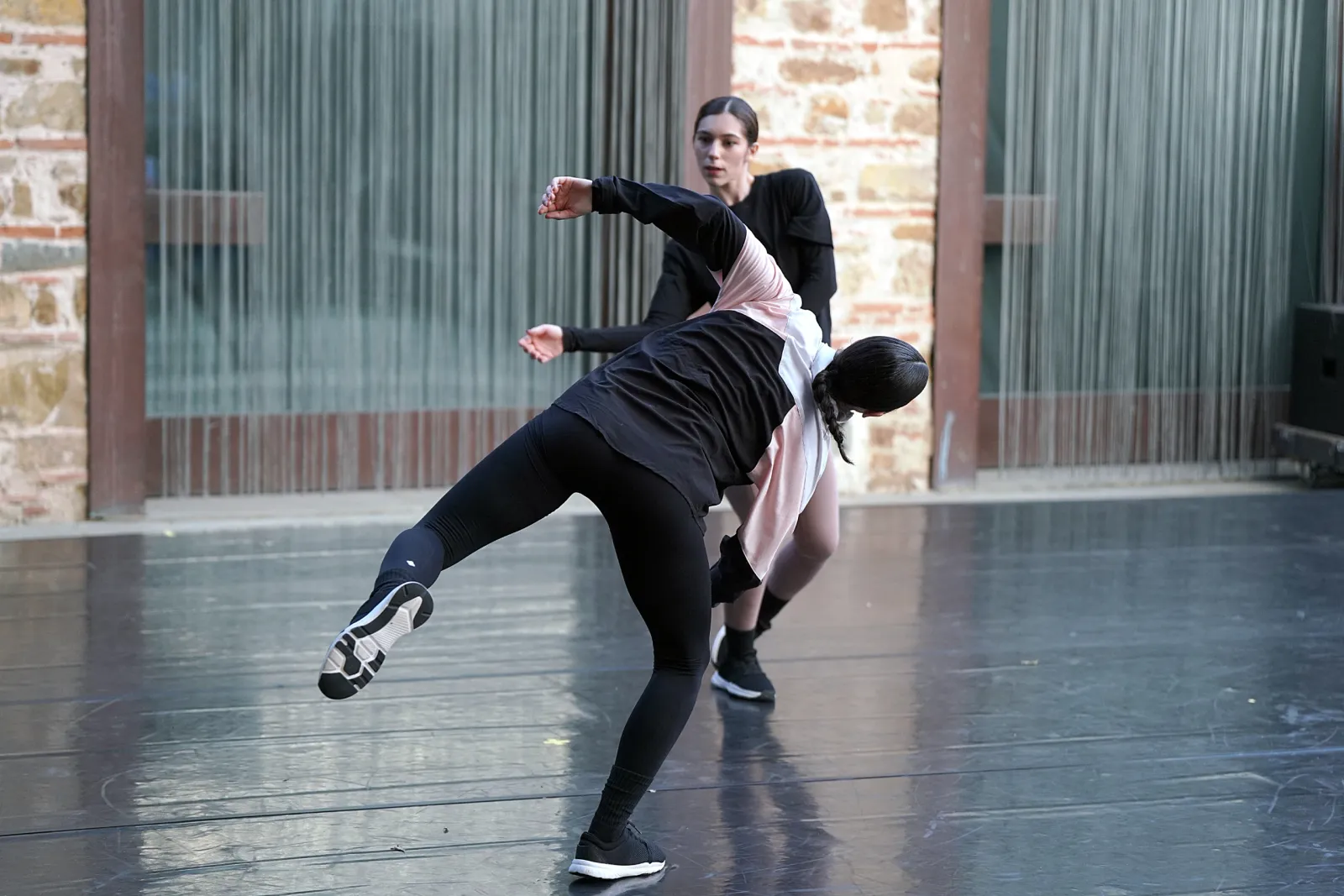
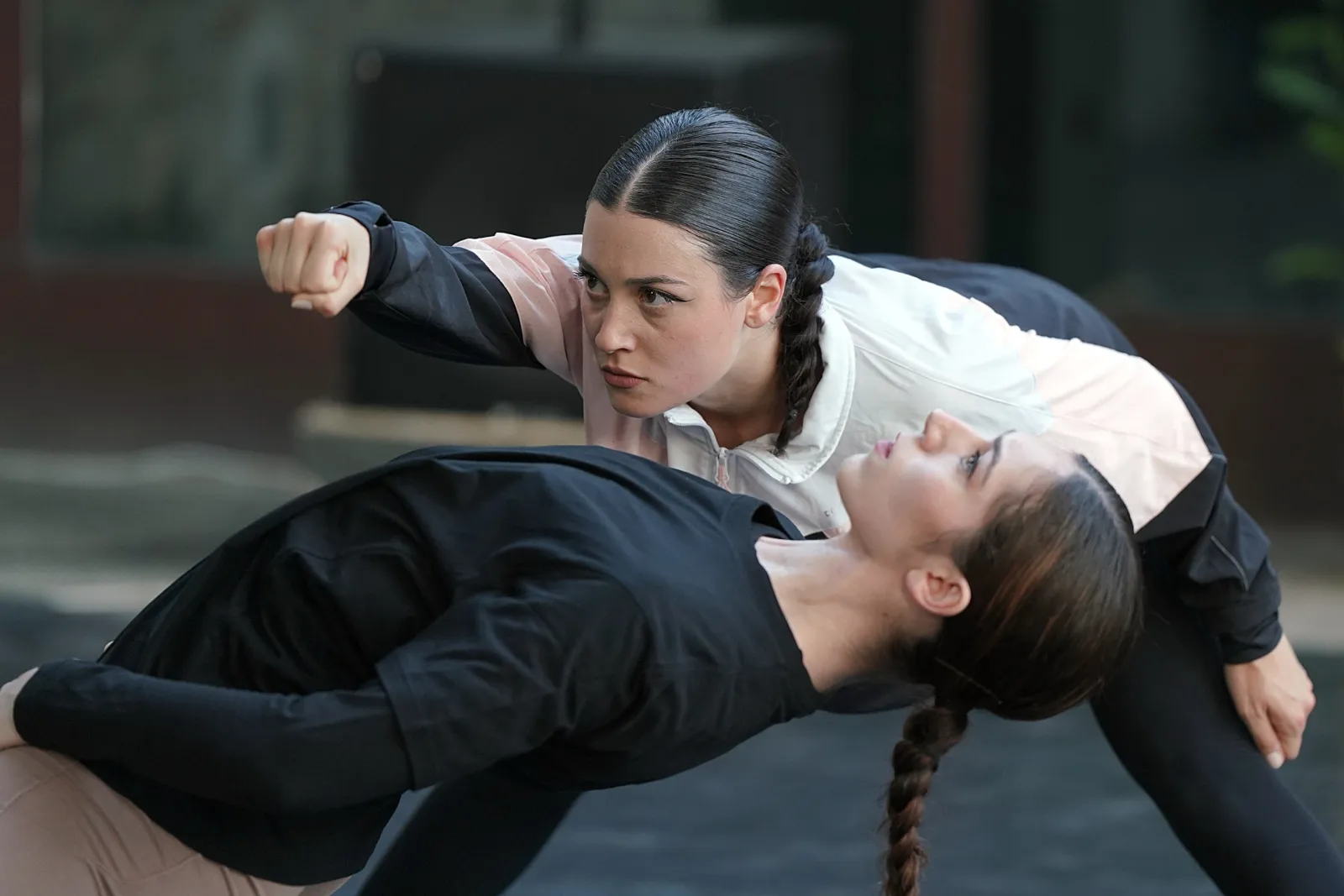
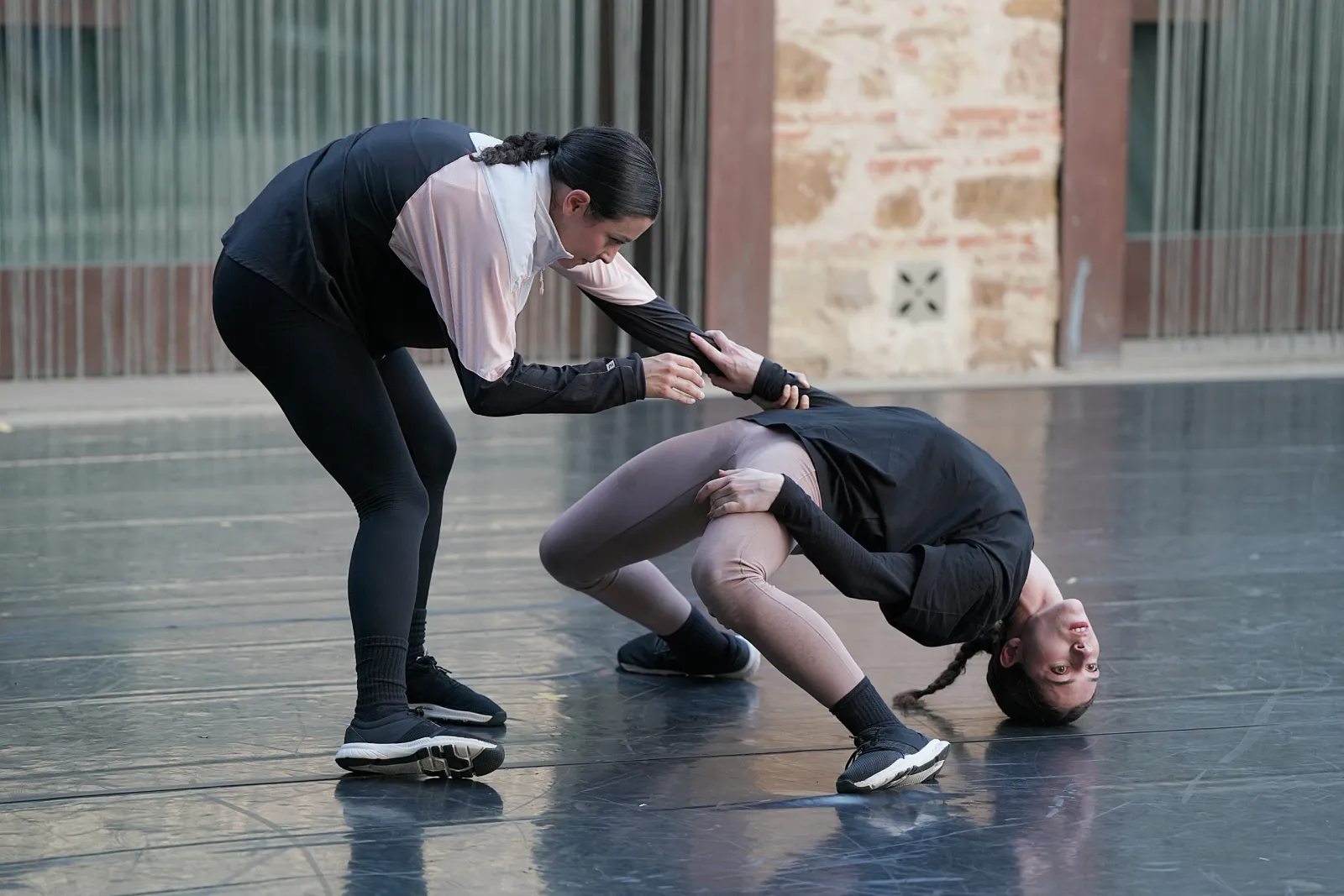
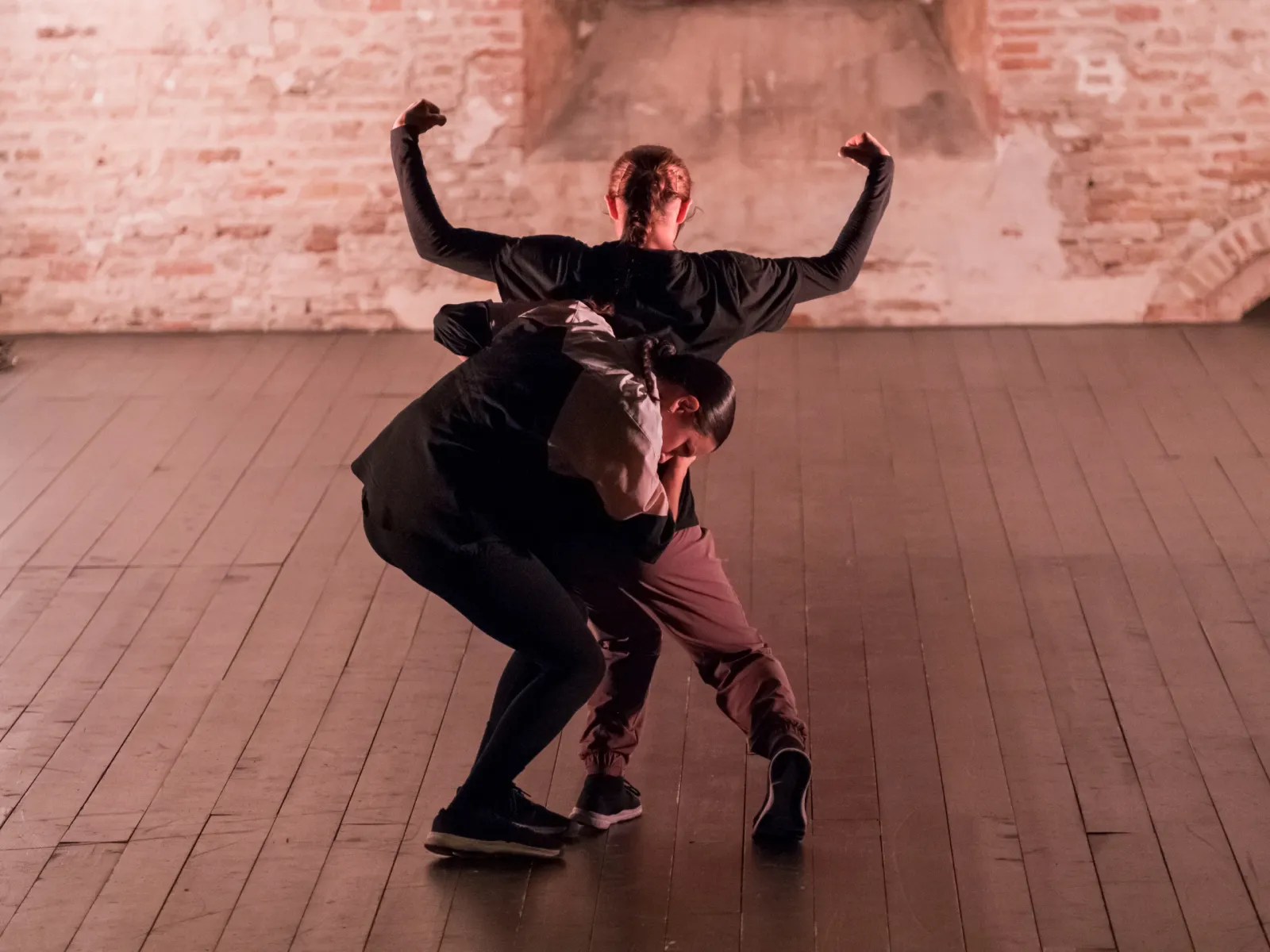
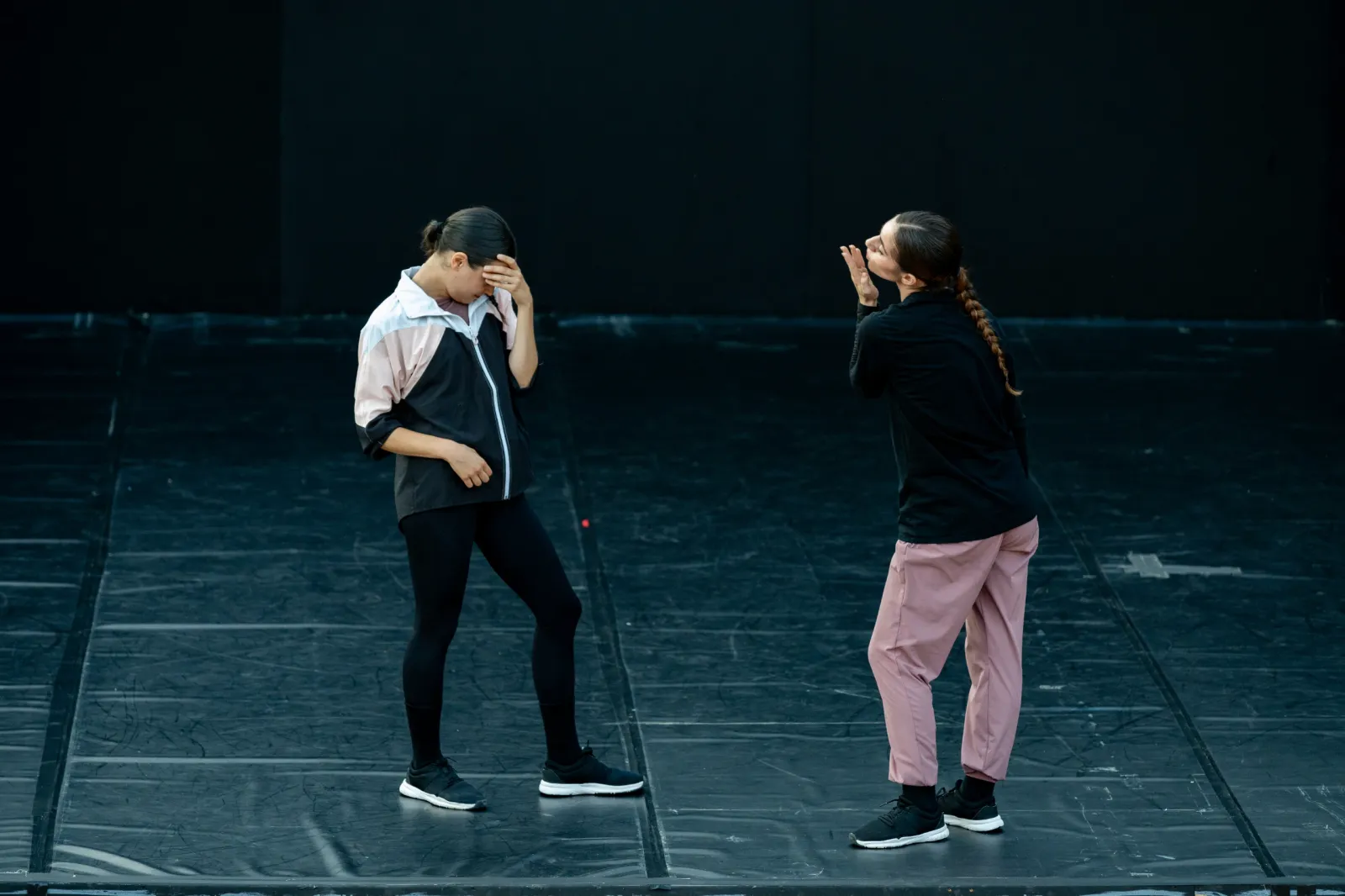
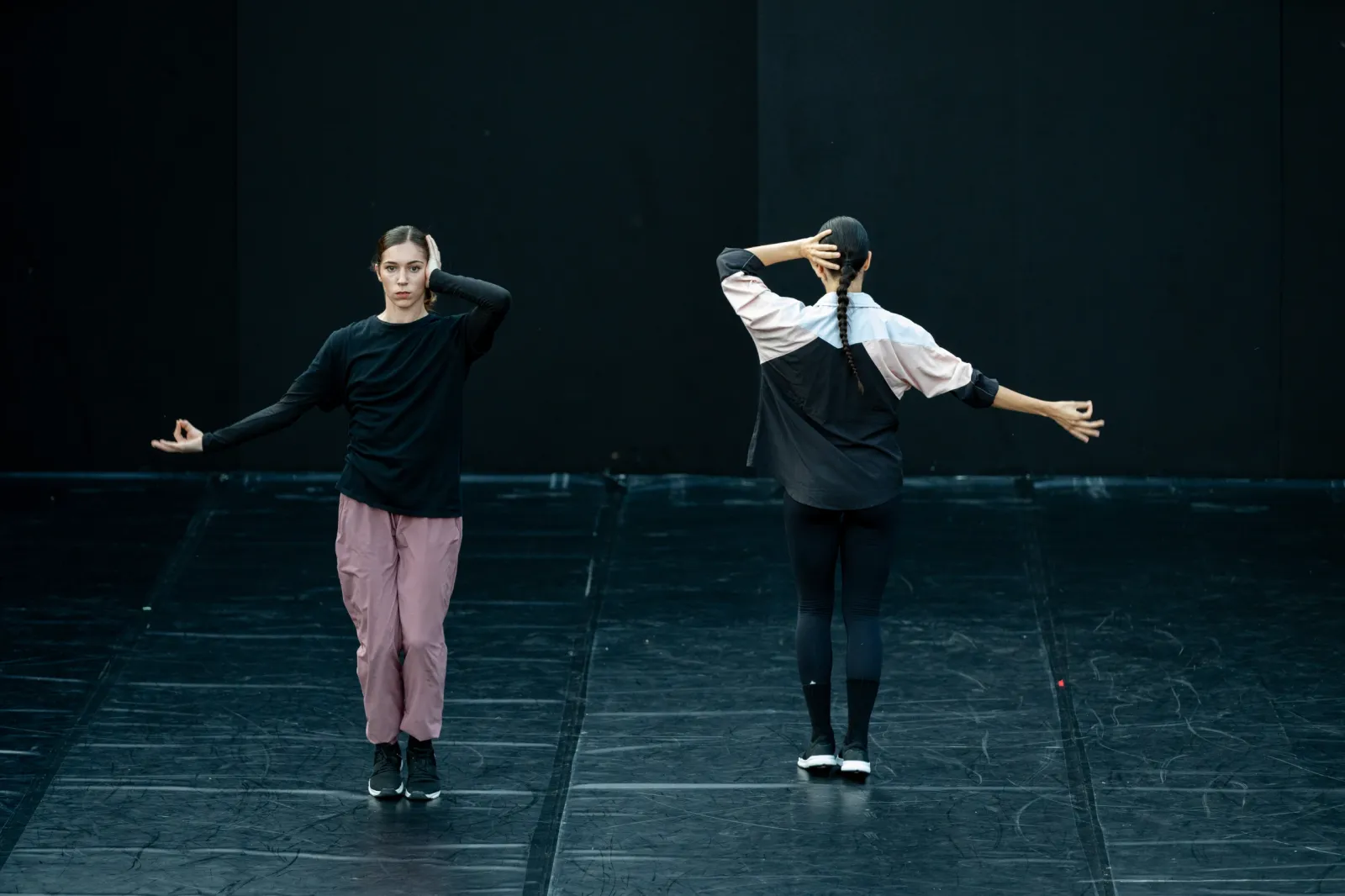
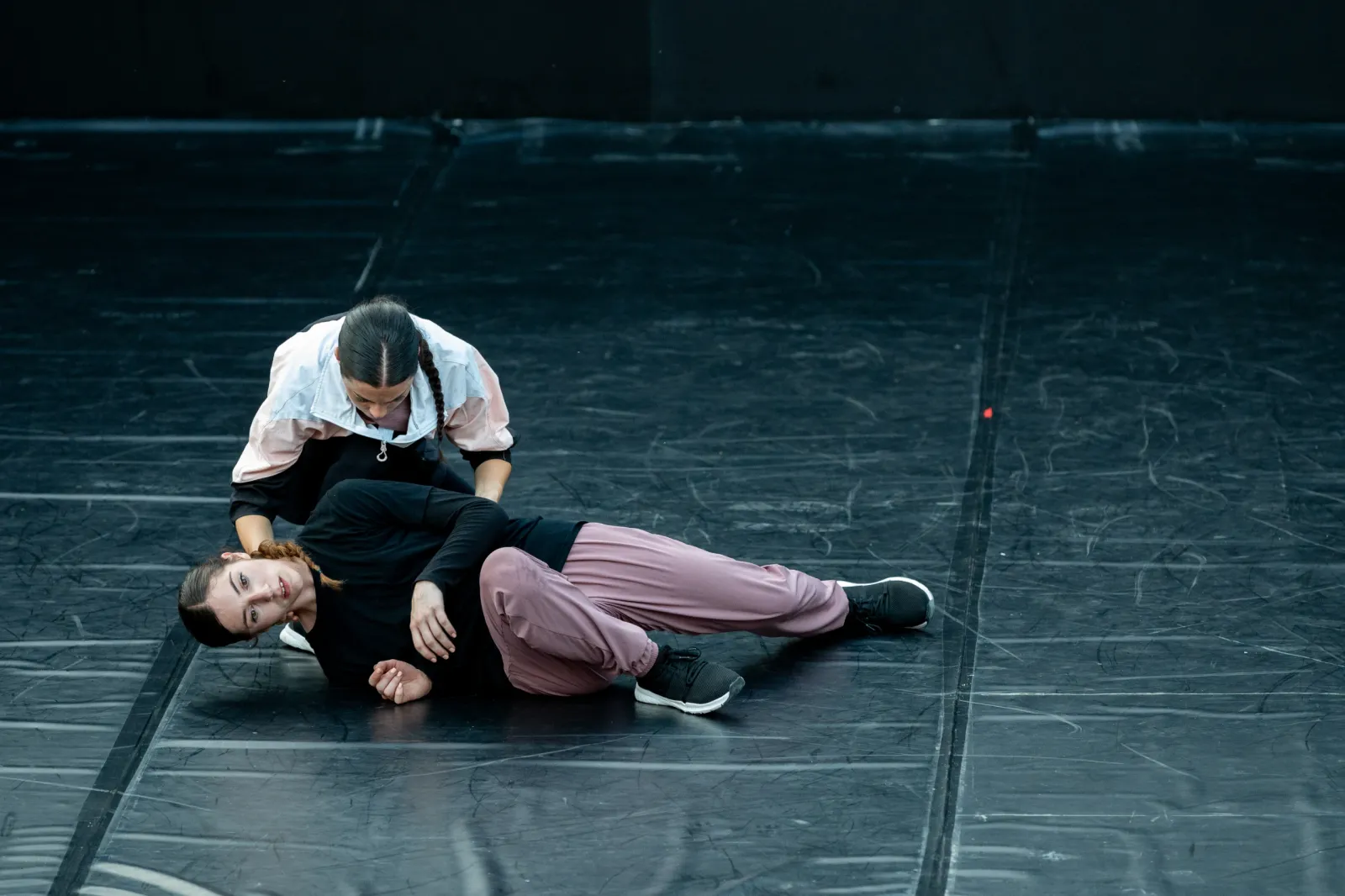
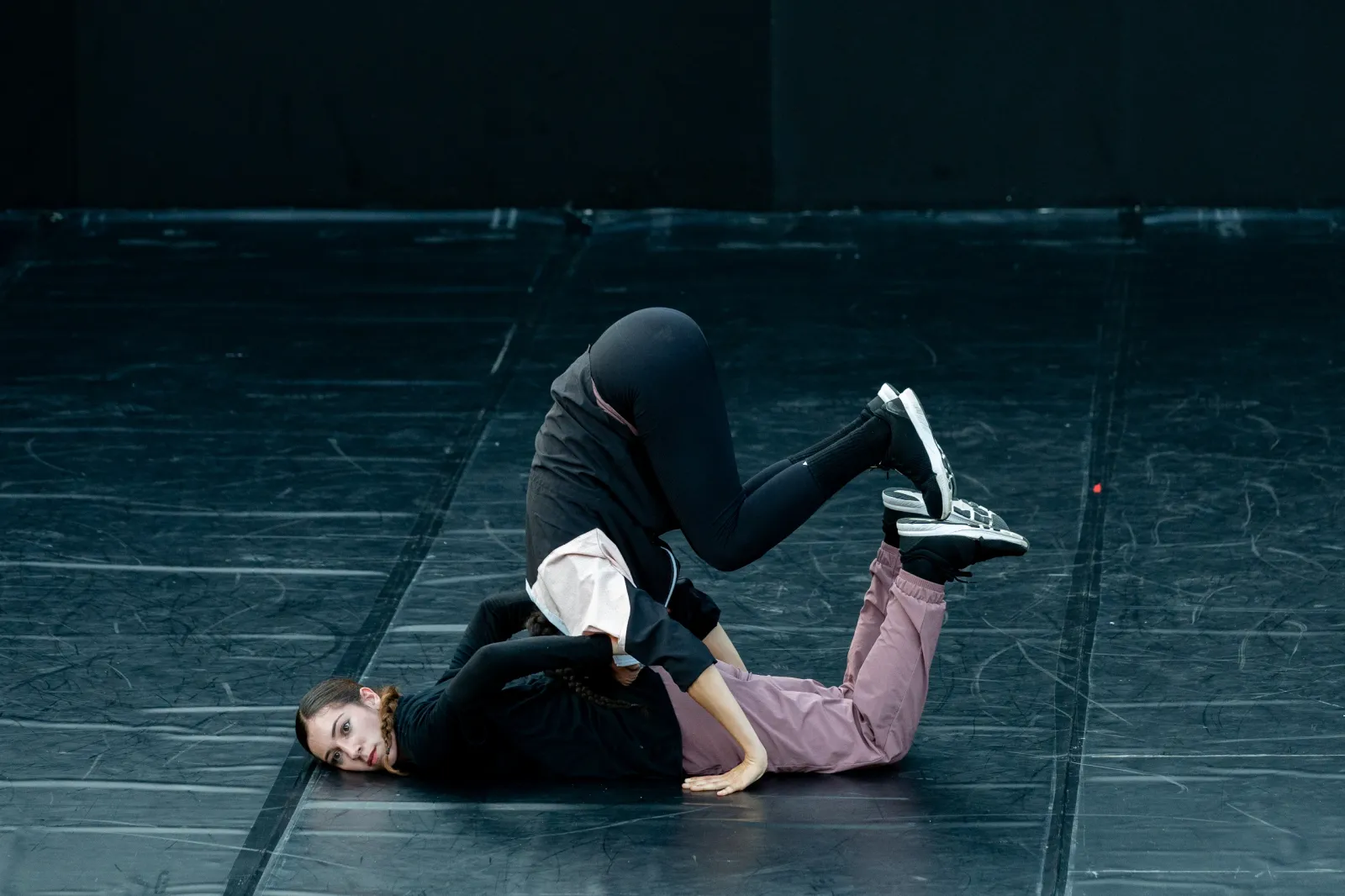
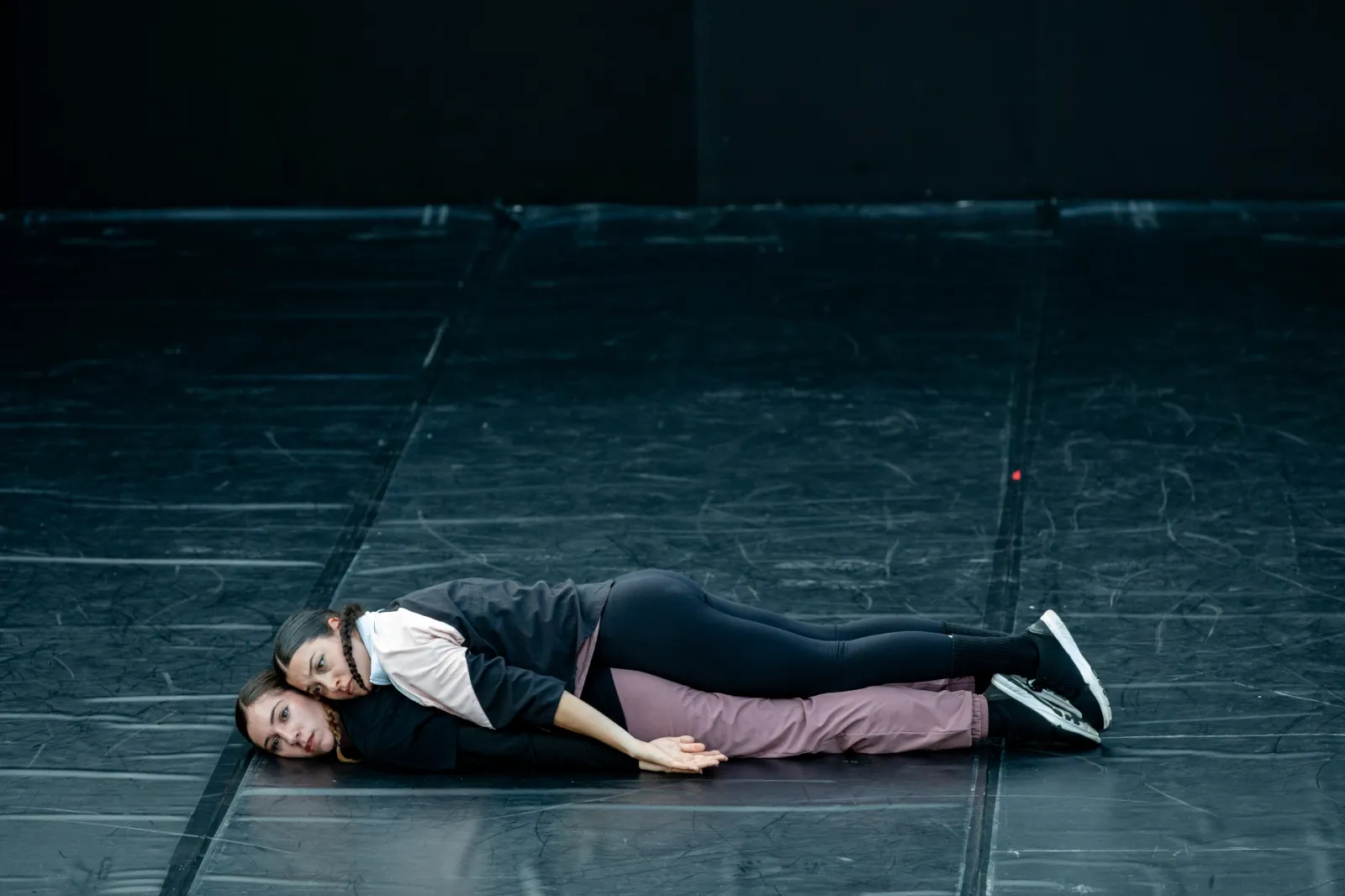
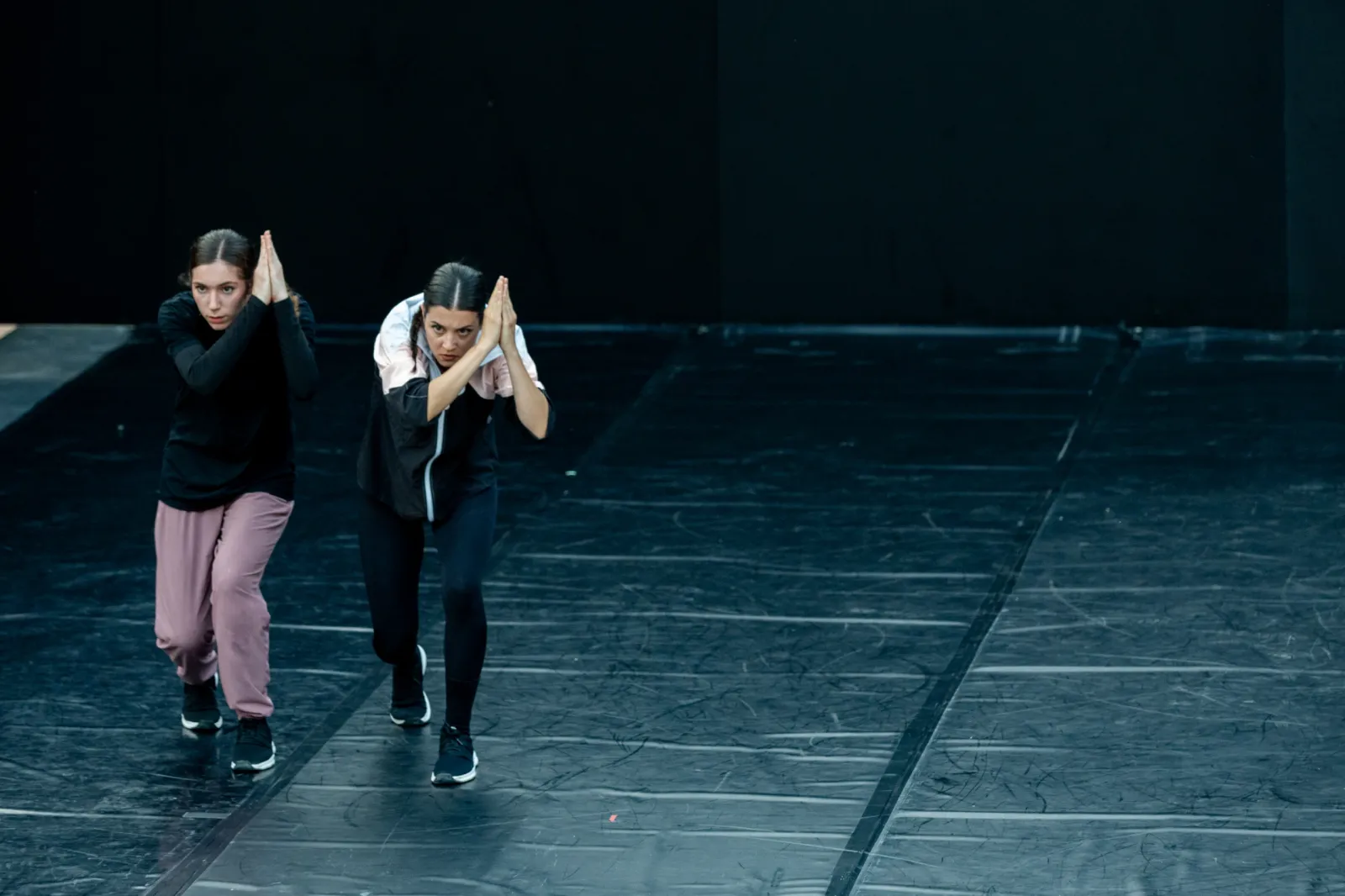
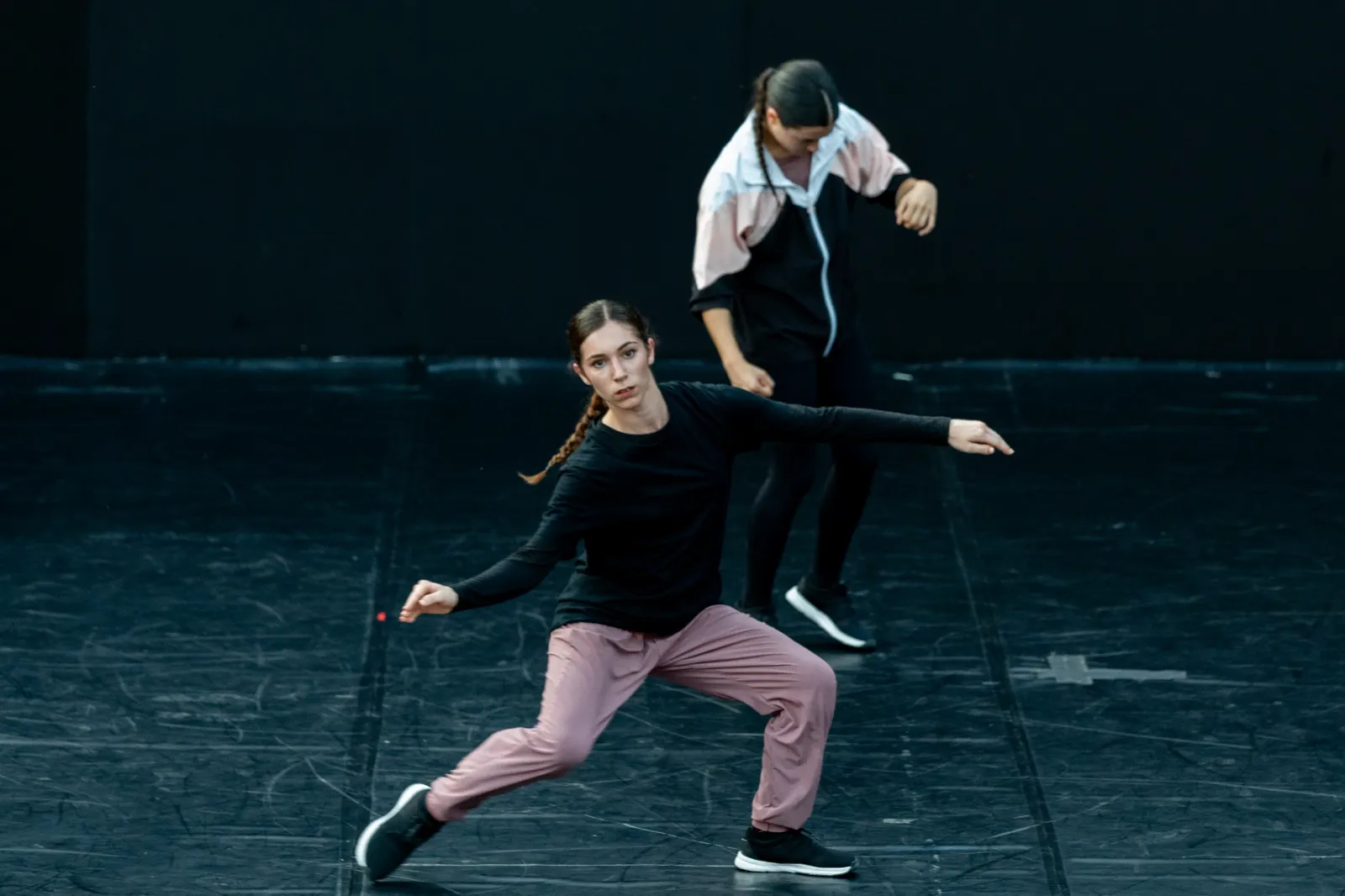
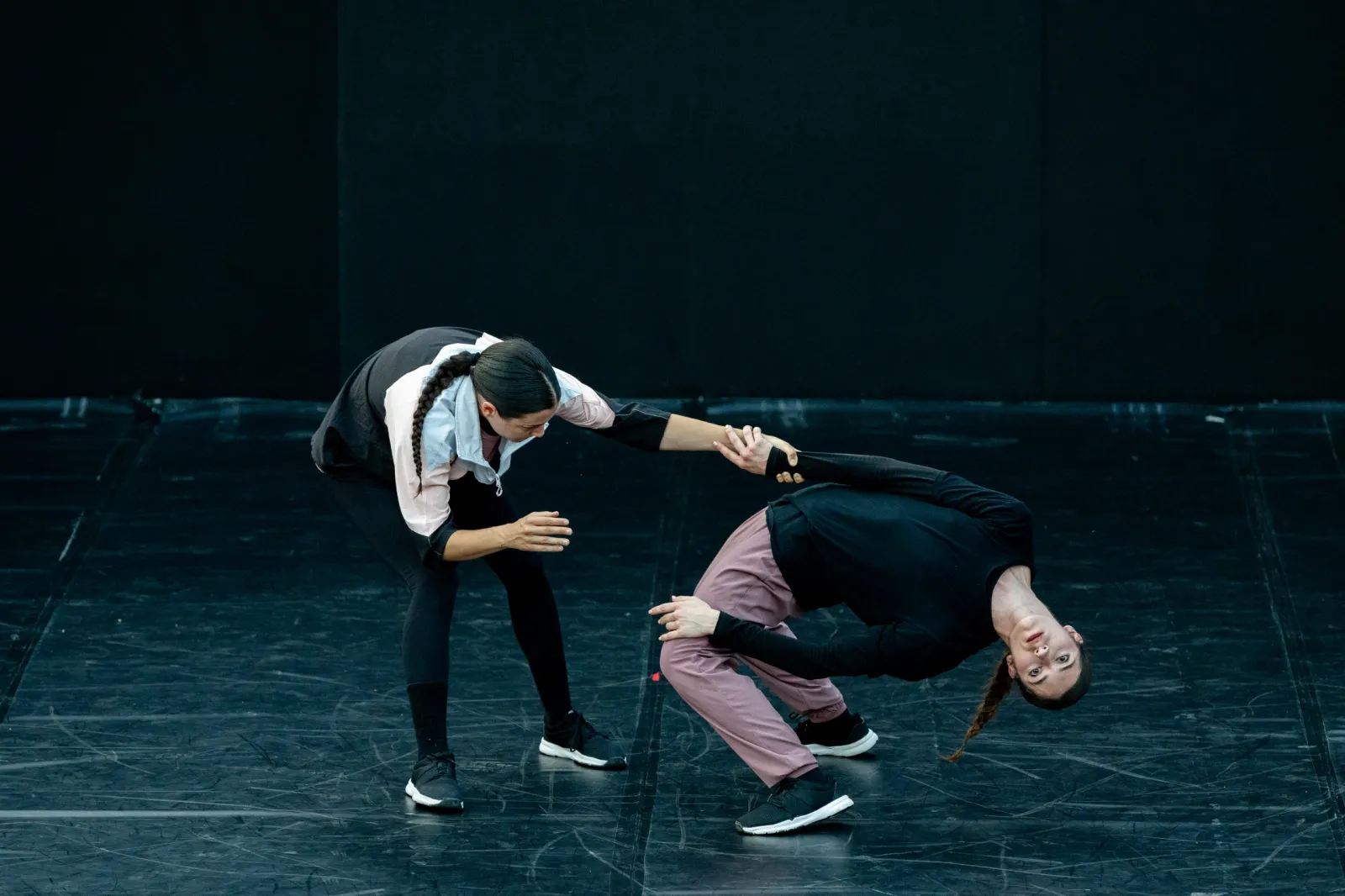
“Those two are truly symbiotic.” How many times I have used these words to describe two people who, in my eyes, are made for each other, who see eye to eye on everything and appear happy together.
Following the research and in-depth exploration I carried out, contrary to what I had always believed, I discovered that, when applied to human relationships, the term symbiosis has a negative connotation for many psychologists. Symbiotic relationships are considered negative forms of development that inhibit individual growth.
The main characteristic of a symbiotic couple is the mutual dependence between the partners and the lack of clearly defined interpersonal boundaries, to the point that, rather than an encounter between two individuals, a single psychological entity is formed. These couples do not experience conflict, difference, or opposing opinions and individual desires. The two, in fact, behave as though there were always only one person making decisions.
Seemingly inseparable and enviable, they share everything and, for this reason, feel lost when their partner is away. Many believe this to be true love. This kind of relationship, however, keeps both partners in a state of perpetual pre-adolescence, in which the other person’s growth or freedom is perceived as a threat.
In a famous aphorism, Freud ironically states: “When two partners always agree on everything, one of them is thinking for both.” This means that in a symbiotic relationship there is no room for two people, but only for one, whether that is one of the partners or their fusion itself.
The psychological literature addressing the subject suggests that, in the lives of people affected by emotional dependency, one may sometimes find overprotective families or parents who were not sufficiently capable of meeting their children’s genuine needs. These different family situations can often lead an adult to establish a symbiotic bond with their partner.
Following the loss of the symbiotic emotional bond they had with parental figures in early childhood, men and women subsequently seek to reproduce that emotional relationship with substitute parental figures. When the couple remains fixed in this state of fusion, there is no longer development, but rather depletion.
These are static couples in which possessive jealousy prevails, along with the desire to control the other person’s life and to make them into what one wants them to be, since the other is experienced not as “someone other than oneself to be loved,” but as an extension of oneself to be preserved at all costs.
“…Stand together, yet not too near together: For the pillars of the temple stand apart, And the oak tree and the cypress grow not in each other’s shadow.” — The Prophet, Kahlil Gibran
- ChoreographyRoberto Tedesco
- PerformersLaila Lovino, Melissa Bortolotti
- MusicRival Consoles, Senking, Pan-American, Jan Jelinek
- ProductionKLM- Kinkaleri/Le supplici/mk
- With the collaboration ofFondazione Teatro Comunale Città di Vicenza - Festival Danza in Rete, Fondazione Teatro Comunale di Ferrara - Festival di Danza Contemporanea, Scenario Pubblico Centro di Rilevante Interesse Nazionale
- With the support ofSupportER, azione di Anticorpi - rete di rassegne, festival e residenze creative dell'Emilia Romagna
- Selected forVetrina della giovane danza d’autore 2023 - azione del Network Anticorpi XL coordinata dall’Associazione Cantieri Danza
- Finalist project atPremio Prospettiva Danza Teatro 2023 e menzione speciale
- Duration30 minutes
Press
A Ravenna, la Vetrina della Giovane Danza d’Autore di Anticorpi XL
Danza in Rete Off: a Vicenza la giovane danza d’autore
Roberto Tedesco: “Il corpo come racconto dell’identità”
Interno Verde Danza, vivere in modo diverso la città.
Intervista a Roberto Tedesco
Simbiosi
We are our roots + Rebecca + Simbiosi (di Roberto Tedesco)